The Stranger Who Planned Your Perfect Vacation
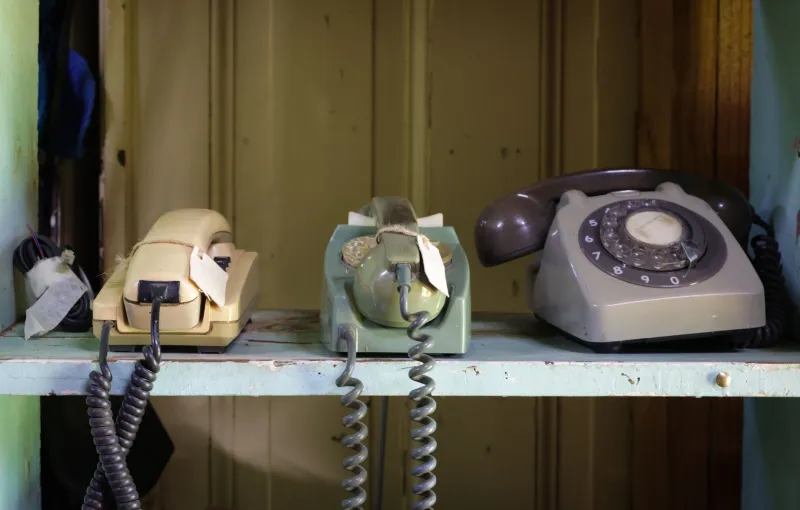
Before the internet, Americans trusted complete strangers with their dream trips. Armed only with brochures and a rotary phone, travel agents somehow made magic happen.
How different the world used to be.
Before the internet, Americans trusted complete strangers with their dream trips. Armed only with brochures and a rotary phone, travel agents somehow made magic happen.
Before standardized tests and specialized curricula, a single teacher managed children aged 6 to 16 in one room. The results might surprise you.
Before divorce became a billion-dollar industry, ending a marriage meant facing your neighbors, not hiring forensic accountants. The social pressure was intense, but so was the simplicity.
Before phones, texts, and instant everything, urgent news crawled across America at the speed of telegraph wires and bicycle messengers. A birth, death, or disaster could take days to reach the people who needed to know—and that delay shaped how an entire nation processed joy, grief, and crisis.
Your family doctor once kept everything about your health in a single manila folder, handwritten across decades. Every broken bone, every childhood fear, every family pattern was right there in one place—creating a complete picture of your health that today's fragmented digital systems somehow can't match.
For most of American history, billion-dollar deals closed with a handshake and a look in the eye. Before lawyers became gatekeepers and liability became king, business moved at the speed of trust—and communities held people accountable in ways no contract ever could.
Your grandmother's winter coat probably cost more than your entire wardrobe—and it's probably still hanging in someone's closet. Americans once bought clothing as lifetime investments, not seasonal statements.
For decades, Americans found jobs, apartments, and even love through tiny newspaper ads written in cryptic shorthand. These dense columns of abbreviated text weren't just listings—they were the beating heart of daily life decisions.
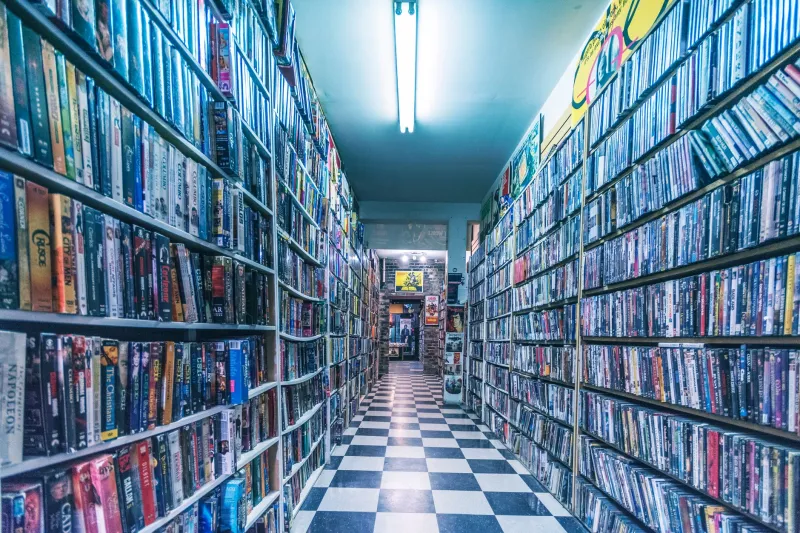
Before Netflix and streaming, seeing a movie was an event that required planning, patience, and a little luck. Americans once built their entire weekends around catching a single film, turning entertainment into a genuine social ritual.
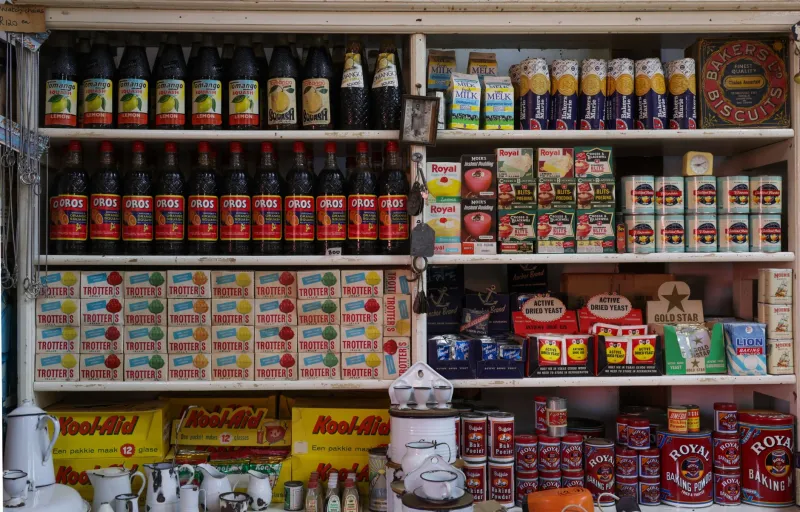
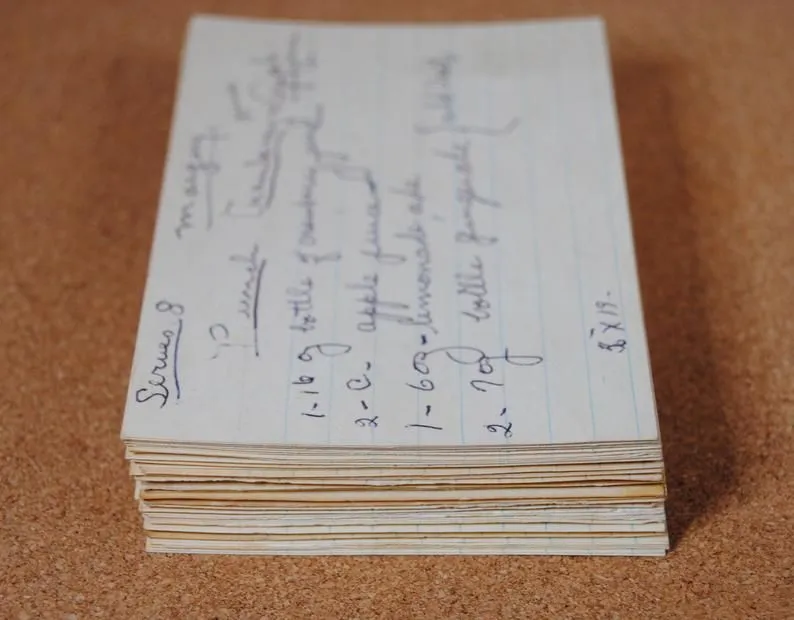
Before "Best By" dates appeared on packages in the 1970s, American mothers and grandmothers relied on their noses, eyes, and inherited kitchen wisdom to determine if food was safe to eat. This lost art of sensory food evaluation kept families fed and healthy for generations.
Getting approved for a mortgage once meant sitting across from someone who remembered your dad's business and your grandmother's apple pie recipe. Today's algorithm-driven lending has eliminated bias — and the human touch that once defined small-town banking.
Every Sunday, families across America gathered around the TV Guide like a battle plan, circling shows in red ink and building their entire week around must-see television. The era of appointment viewing created cultural moments that today's streaming abundance can't replicate.
Before smartphones turned us all into navigation experts, American families carried their geographic knowledge in thick paper atlases that lived permanently in their cars. Getting anywhere required actual planning, highlighter pens, and the lost art of reading tiny interstate numbers while someone else drove at highway speeds.
For millions of Americans well into the 1980s, making a phone call meant sharing a single line with up to seven other households, where anyone could listen in at any time. The party line created its own social rules, neighborhood drama, and a completely different understanding of what privacy meant.
Before mobile banking and digital statements, Americans tracked their financial lives through small paper passbooks that had to be physically brought to the bank and stamped by a teller. Your savings account balance wasn't something you could check instantly—it was something you could hold in your hands.
A generation ago, retirement at 65 wasn't a dream—it was a guarantee. Companies provided pensions, Social Security was robust, and reaching retirement age meant you had genuinely earned decades of leisure time that you could actually afford to enjoy.
Forty years ago, a broken toaster meant a trip to the repair shop, not the trash can. America was built on fixing things, and every neighborhood had someone who could bring your appliances back to life for the cost of a few parts and some honest labor.
Before algorithms filtered resumes, careers were built on handshakes and personal recommendations from people who actually knew your work ethic. Landing a job meant someone was willing to stake their reputation on yours.
Before Google existed, American families invested in massive encyclopedia sets that promised to contain all human knowledge between their covers. Looking something up meant a physical journey to the bookshelf, where curiosity met the satisfying weight of bound volumes and the possibility that some questions might not have easy answers.
For generations, a perfectly manicured lawn was the ultimate symbol of having made it in suburban America—worth every weekend hour and water bill. Today, that same green expanse has become a source of environmental guilt and neighborhood judgment for entirely different reasons.