When Character Was Currency
In 1952, Ray Kroc struck a deal with the McDonald brothers that would birth the world's largest restaurant empire. The agreement? A handshake and a verbal promise over milkshakes in San Bernardino, California. No 47-page franchise agreement. No army of lawyers. No liability waivers or arbitration clauses. Just two parties who looked each other in the eye and meant what they said.
 Photo: San Bernardino, California, via media.california.com
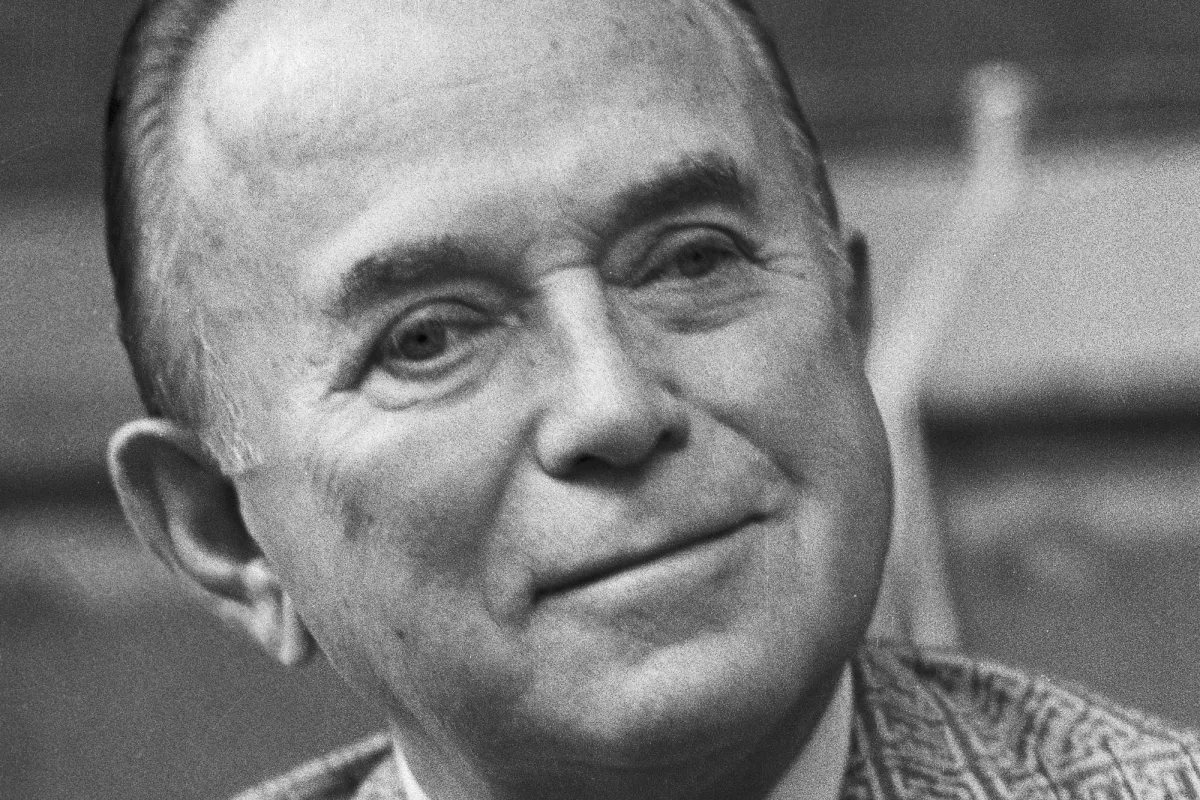 Photo: Ray Kroc, via www.the-sun.com
This wasn't unusual—it was how America did business.
For the better part of two centuries, the backbone of American commerce wasn't legal documents but personal reputation. Your word carried more weight than any signature because breaking it meant social and economic exile from the only community that mattered: your own.
The Handshake Economy
Walk through any American town before 1970, and you'd witness something remarkable: real estate changing hands on verbal agreements, supply contracts sealed with a nod, and partnerships formed over coffee that would last decades. The local hardware store owner would extend credit based on knowing your father. Farmers would commit their entire harvest to buyers they'd never met, connected only through mutual acquaintances who vouched for both sides.
This wasn't naivety—it was a sophisticated system of social accountability that worked because everyone lived within the same web of relationships. Your banker went to your church. Your lawyer coached your kid's baseball team. Your business partner's wife taught at your children's school. Reputation wasn't just important; it was everything.
The transaction costs were nearly zero. No legal fees eating into profit margins. No months of due diligence. No insurance policies protecting against every conceivable scenario. Business moved fast because trust moved fast.
When Everything Changed
The shift began in the 1960s and accelerated through the following decades. America became more mobile, more anonymous, more litigious. The social fabric that once held handshake deals together began fraying as people moved frequently, communities became transient, and business relationships became increasingly impersonal.
Legal protections that seemed prudent gradually became mandatory. Insurance requirements that started as suggestions became regulations. What began as covering your bases evolved into covering every conceivable base, then covering the bases you hadn't even thought of yet.
By the 1980s, even buying a cup of coffee required acknowledging that it might be hot.
The Paper Trail Revolution
Today's business world runs on documentation. Every email is potentially evidence. Every conversation needs a follow-up in writing. Simple transactions require digital signatures, terms of service agreements, and liability waivers. We've created a system so focused on legal protection that the human element—the trust that actually makes commerce possible—has become almost incidental.
A modern franchise agreement can run 200 pages. Real estate contracts require disclosure documents thicker than most novels. Even hiring a neighborhood kid to mow your lawn now involves considerations of workers' compensation, liability insurance, and tax reporting requirements.
What We Gained and Lost
The legal infrastructure we've built provides genuine protections. Consumers have recourse against fraud. Employees have rights that can't be violated on a whim. Small businesses can compete with larger ones because contracts provide predictable frameworks for competition.
But we've also lost something profound: the speed and intimacy of trust-based transactions. Business relationships that once formed quickly and ran on mutual respect now require legal frameworks that assume bad faith from the start. The time and money we spend on legal protection is time and money not spent on actual business.
More subtly, we've lost the social pressure that once made handshake deals work. When breaking your word meant facing your neighbors at church on Sunday, people kept their word. When business was local and reputations were permanent, character mattered more than clever contract language.
The Speed of Trust
Perhaps most significantly, we've lost the ability to move at the speed of trust. In the handshake era, good opportunities could be seized immediately. Partners could pivot quickly when circumstances changed. Innovation happened faster because entrepreneurs didn't need legal approval to try something new.
Today, even the simplest business decisions often require running them past lawyers, insurance companies, and compliance departments. We've made business safer, but we've also made it slower, more expensive, and more impersonal.
The handshake deal wasn't perfect—it occasionally failed, and when it did, people got hurt. But it worked often enough to build the foundations of American commerce, creating businesses and relationships that lasted generations.
In our rush to protect ourselves from every possible risk, we may have eliminated the very thing that made business work in the first place: the assumption that most people, most of the time, mean what they say and will do what they promise.
The contracts we sign today are longer than ever, but somehow, we trust each other less.