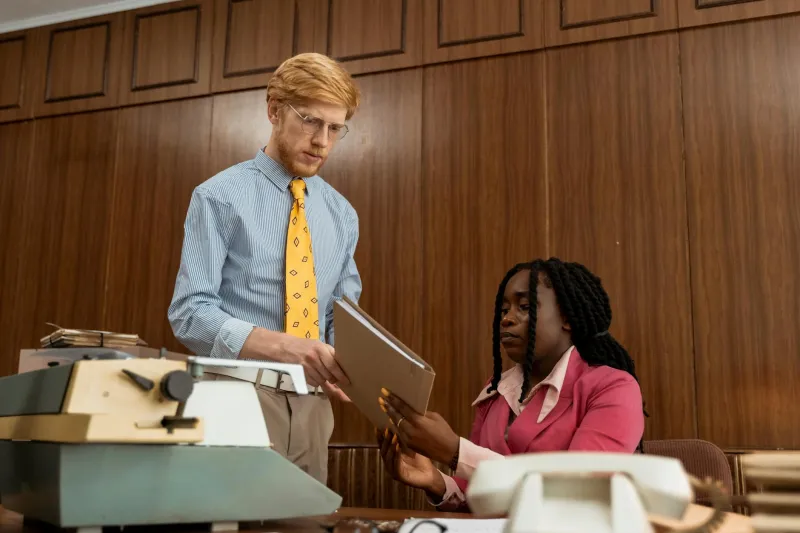
The Teacher Who Taught Everything to Everyone: America's One-Room Revolution
Before standardized tests and specialized curricula, a single teacher managed children aged 6 to 16 in one room. The results might surprise you.
Category
28 articles
Before standardized tests and specialized curricula, a single teacher managed children aged 6 to 16 in one room. The results might surprise you.
Before divorce became a billion-dollar industry, ending a marriage meant facing your neighbors, not hiring forensic accountants. The social pressure was intense, but so was the simplicity.
For most of American history, billion-dollar deals closed with a handshake and a look in the eye. Before lawyers became gatekeepers and liability became king, business moved at the speed of trust—and communities held people accountable in ways no contract ever could.
Before phones, texts, and instant everything, urgent news crawled across America at the speed of telegraph wires and bicycle messengers. A birth, death, or disaster could take days to reach the people who needed to know—and that delay shaped how an entire nation processed joy, grief, and crisis.
For decades, Americans found jobs, apartments, and even love through tiny newspaper ads written in cryptic shorthand. These dense columns of abbreviated text weren't just listings—they were the beating heart of daily life decisions.
Before Netflix and streaming, seeing a movie was an event that required planning, patience, and a little luck. Americans once built their entire weekends around catching a single film, turning entertainment into a genuine social ritual.
Your grandmother's winter coat probably cost more than your entire wardrobe—and it's probably still hanging in someone's closet. Americans once bought clothing as lifetime investments, not seasonal statements.
Every Sunday, families across America gathered around the TV Guide like a battle plan, circling shows in red ink and building their entire week around must-see television. The era of appointment viewing created cultural moments that today's streaming abundance can't replicate.
Getting approved for a mortgage once meant sitting across from someone who remembered your dad's business and your grandmother's apple pie recipe. Today's algorithm-driven lending has eliminated bias — and the human touch that once defined small-town banking.
Before mobile banking and digital statements, Americans tracked their financial lives through small paper passbooks that had to be physically brought to the bank and stamped by a teller. Your savings account balance wasn't something you could check instantly—it was something you could hold in your hands.
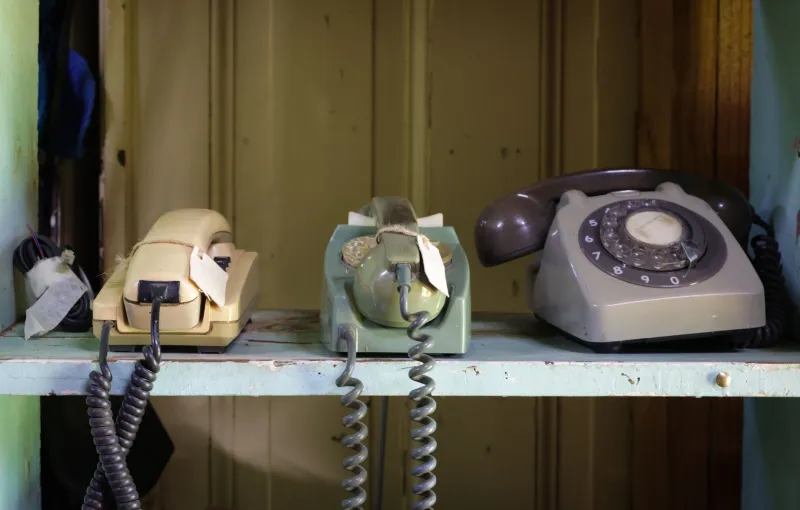
For millions of Americans well into the 1980s, making a phone call meant sharing a single line with up to seven other households, where anyone could listen in at any time. The party line created its own social rules, neighborhood drama, and a completely different understanding of what privacy meant.
Forty years ago, a broken toaster meant a trip to the repair shop, not the trash can. America was built on fixing things, and every neighborhood had someone who could bring your appliances back to life for the cost of a few parts and some honest labor.
Before algorithms filtered resumes, careers were built on handshakes and personal recommendations from people who actually knew your work ethic. Landing a job meant someone was willing to stake their reputation on yours.
Before Google existed, American families invested in massive encyclopedia sets that promised to contain all human knowledge between their covers. Looking something up meant a physical journey to the bookshelf, where curiosity met the satisfying weight of bound volumes and the possibility that some questions might not have easy answers.
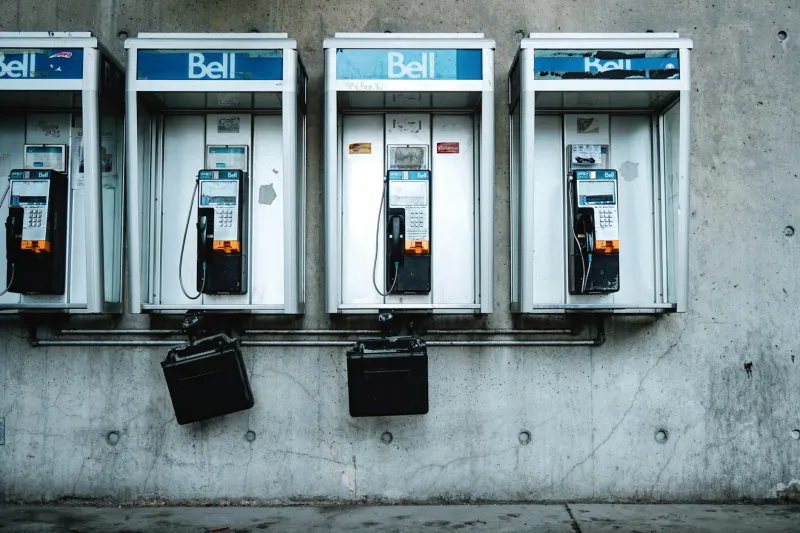
Before instant messaging and last-minute texts, organizing a night out with friends was a multi-day operation involving pay phones, parents as message services, and the radical concept of showing up when you said you would. A simple dinner required the coordination skills of a military operation.
For generations, a perfectly manicured lawn was the ultimate symbol of having made it in suburban America—worth every weekend hour and water bill. Today, that same green expanse has become a source of environmental guilt and neighborhood judgment for entirely different reasons.
Not so long ago, million-dollar deals were sealed with handshakes and livestock was traded on verbal promises. America once ran on trust, reputation, and the unshakeable belief that a person's word was their bond.
A generation ago, taking a photograph meant making a bet you wouldn't know the outcome of for days. The ritual of film photography created a unique relationship with memory and anticipation that vanished with the first digital camera click.
A generation ago, Americans carried detailed mental maps of their world, memorizing highway numbers and cardinal directions as naturally as their phone numbers. GPS didn't just change how we navigate—it rewired how we think about space itself.
Before smartphones and same-day delivery, American families planned their Saturdays like military operations. Every errand meant a separate destination, specific hours, and the very real possibility of finding a 'Closed' sign after driving across town.
Just sixty years ago, most Americans knew every family on their street by name. Today, surveys show that over half of Americans can't identify a single neighbor. The transformation from close-knit communities to anonymous subdivisions happened faster than anyone realized.

For most of American history, knowing what tomorrow's weather would bring meant waiting for the 11 p.m. TV forecast—and hoping the meteorologist got it right. Today we carry hyperlocal, minute-by-minute weather intelligence in our pockets. The shift from that nightly ritual to omniscient forecasting has quietly erased an entire category of uncertainty from daily life.
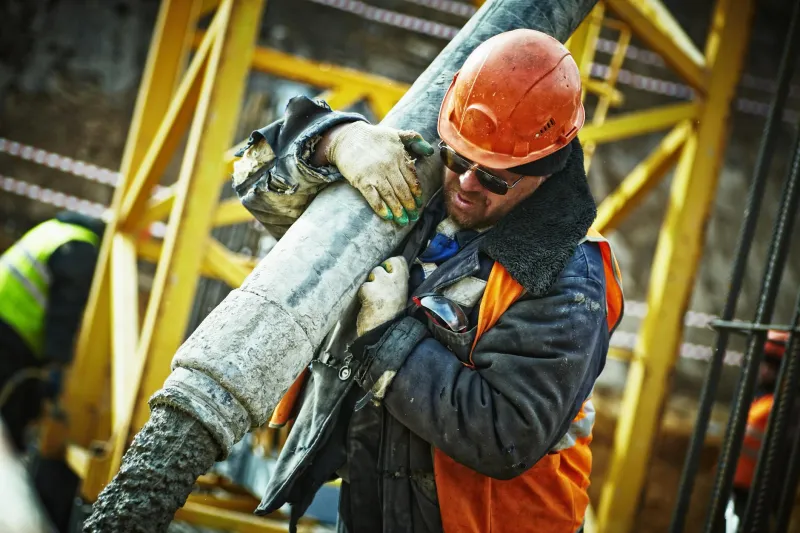
For decades, American summers meant something specific for teenagers: a job. Lifeguards, concession stand workers, grocery store baggers, and factory temps weren't career paths—they were the default. This article traces what happened to that near-universal teenage rite of passage and what the economy gained and lost when summer employment stopped being something almost every young person did.
There was a time when a teenager with a strong back and a willingness to clock long hours could walk into September with tuition money in hand. That world didn't fade gradually — it collapsed. Here's what the numbers actually looked like, and what changed.

There was a time when every American carried a small mental Rolodex — a dozen or more phone numbers stored not in a device, but in their own head. Today, most people can't recite their spouse's cell number from memory. What changed, and what did we quietly trade away?
For American workers in the postwar decades, retirement wasn't a financial puzzle to solve — it was a guaranteed income that arrived every month for the rest of your life. Understanding how that arrangement collapsed, and what replaced it, is essential to understanding one of the biggest shifts in the American economic story.
In the 1950s, American families spent nearly a third of their income just keeping food on the table. Today that number has fallen to around 10%. The transformation behind that shift — industrial farming, global supply chains, and the rise of processed food — is one of the most consequential and least examined changes in modern American life.
For about three decades, Saturday morning in America meant one thing: cartoons. It was a ritual built around network schedules, sugary cereal, and the particular thrill of something that only happened once a week. Then streaming arrived, and it quietly disappeared — taking something with it that's hard to name but easy to miss.