Drift of Days Home

Category

Health

12 articles

Dog-Eared and Dog-Tired: What We Learned While We Waited

Dog-Eared and Dog-Tired: What We Learned While We Waited

Before smartphones turned every waiting room into a private screen, Americans sat in shared spaces with shared reading material and occasionally talked to strangers. The boredom was real — but so was the unexpected discovery, the overheard conversation, and the article that changed how you thought about something.

The Ice Came on Tuesdays: How Americans Fed Themselves Before the Fridge

The Ice Came on Tuesdays: How Americans Fed Themselves Before the Fridge

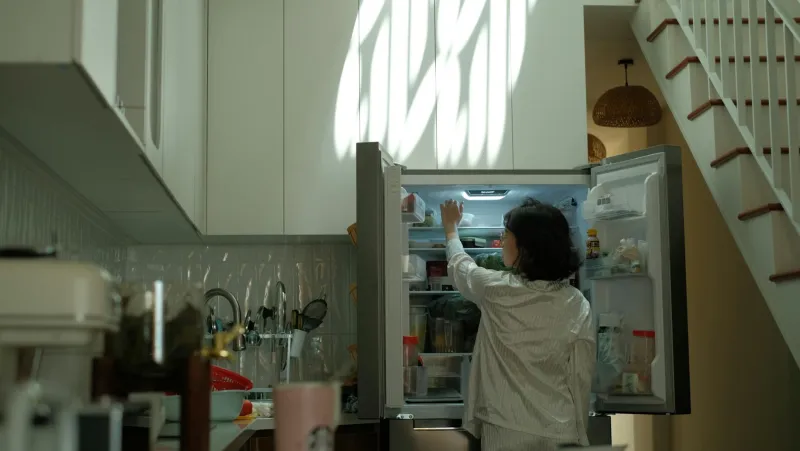
For most of American history, keeping food cold meant a block of ice, a well-stocked pantry, and a trip to the butcher almost every single day. The electric refrigerator didn't just change how Americans stored food — it rewired the entire rhythm of family life, transformed the grocery industry, and quietly ended a way of eating that had sustained the country for generations.

The Doctor Who Knew Your Whole Story: When Healthcare Was Personal, Not Digital

The Doctor Who Knew Your Whole Story: When Healthcare Was Personal, Not Digital

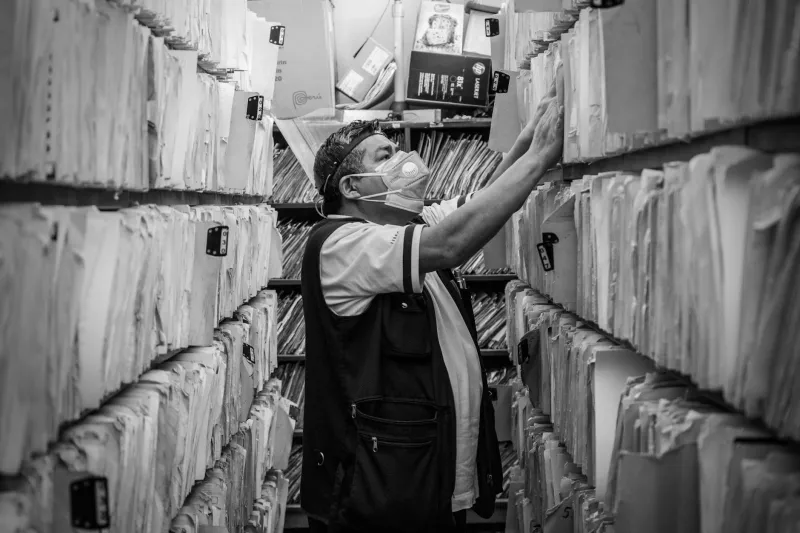
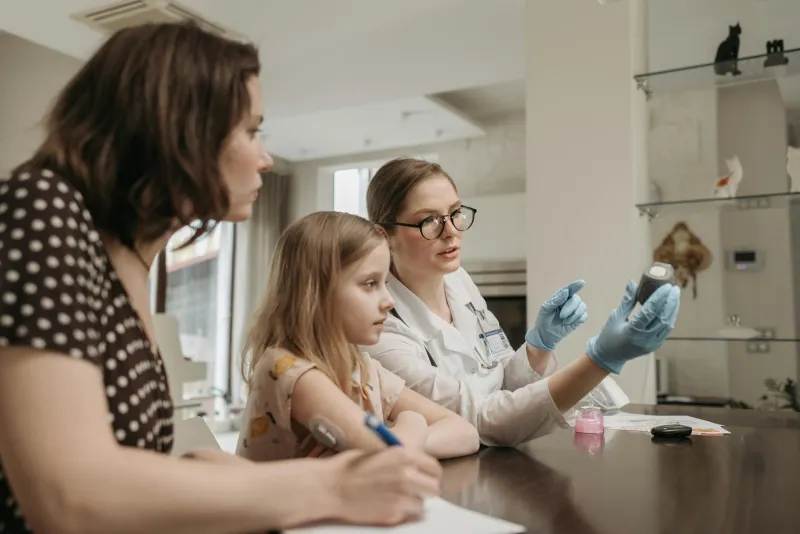
Your family doctor once kept everything about your health in a single manila folder, handwritten across decades. Every broken bone, every childhood fear, every family pattern was right there in one place—creating a complete picture of your health that today's fragmented digital systems somehow can't match.

They Paid Thousands of Dollars for a Computer That Could Barely Do Anything. And They Loved It.

They Paid Thousands of Dollars for a Computer That Could Barely Do Anything. And They Loved It.

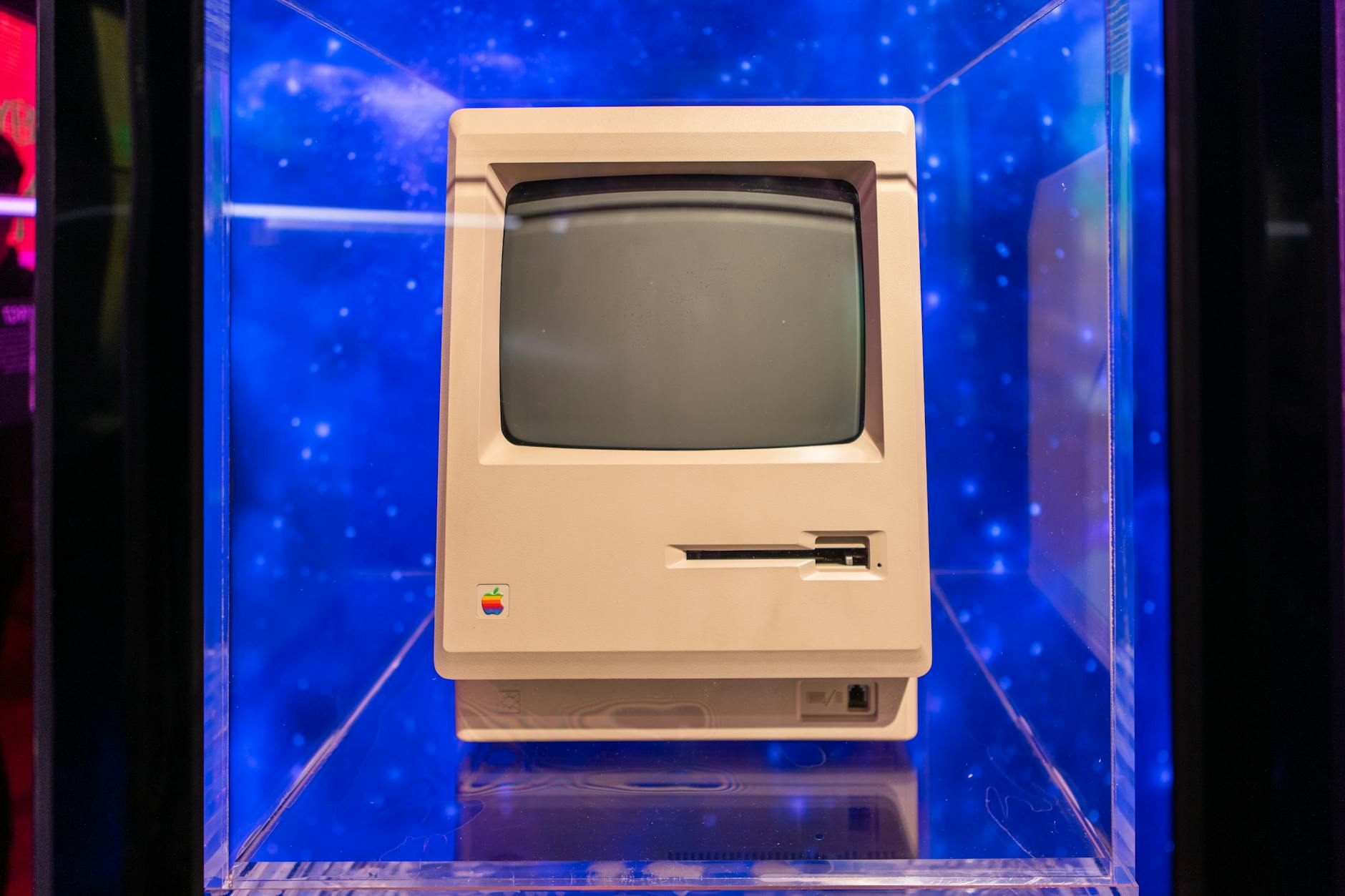
When the first home computers arrived in American living rooms in the late 1970s, buyers paid the equivalent of several thousand modern dollars for machines with no internet, almost no software, and no obvious purpose. What drove people to buy them — and what that era felt like from the inside — reveals something surprising about how humans relate to new technology.

What a Heart Attack Meant in 1955 — And What It Means Now

What a Heart Attack Meant in 1955 — And What It Means Now

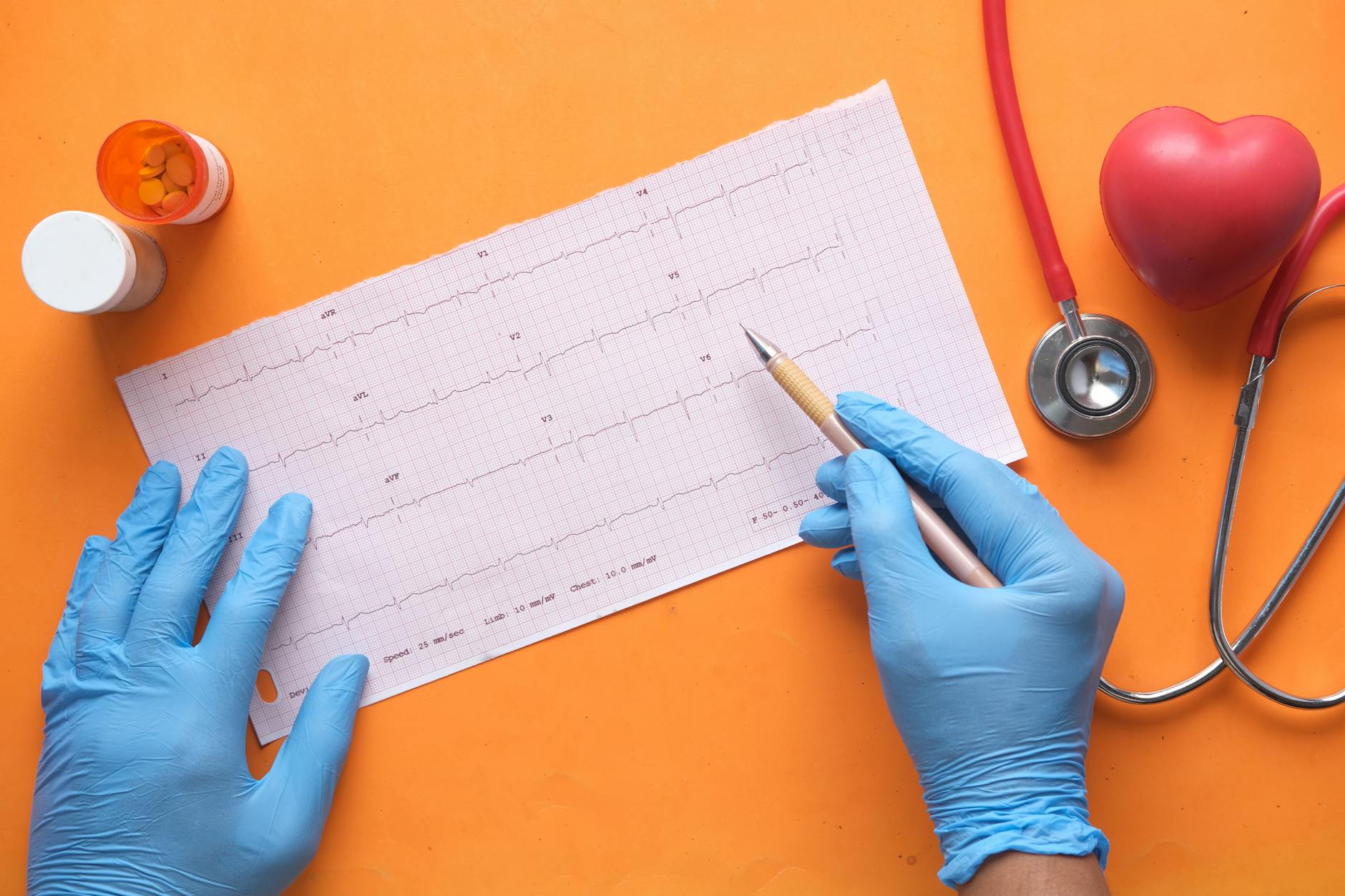
In the 1950s, a heart attack was often a slow death sentence. Doctors had almost nothing to offer beyond rest and hope. The transformation of cardiac care over the past 70 years is one of medicine's most dramatic stories — and most Americans have no idea how recent these life-saving tools actually are.