The Stranger Who Planned Your Perfect Vacation
Before the internet, Americans trusted complete strangers with their dream trips. Armed only with brochures and a rotary phone, travel agents somehow made magic happen.
Category
8 articles
Before the internet, Americans trusted complete strangers with their dream trips. Armed only with brochures and a rotary phone, travel agents somehow made magic happen.
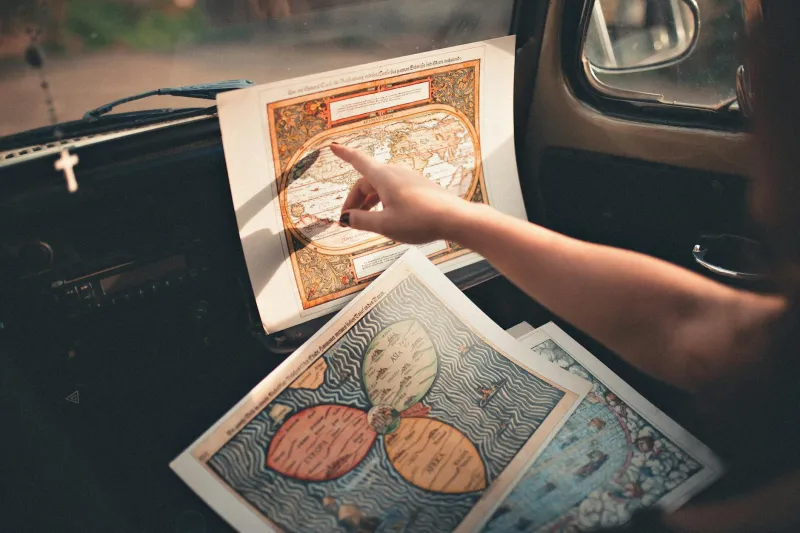
Before smartphones turned us all into navigation experts, American families carried their geographic knowledge in thick paper atlases that lived permanently in their cars. Getting anywhere required actual planning, highlighter pens, and the lost art of reading tiny interstate numbers while someone else drove at highway speeds.
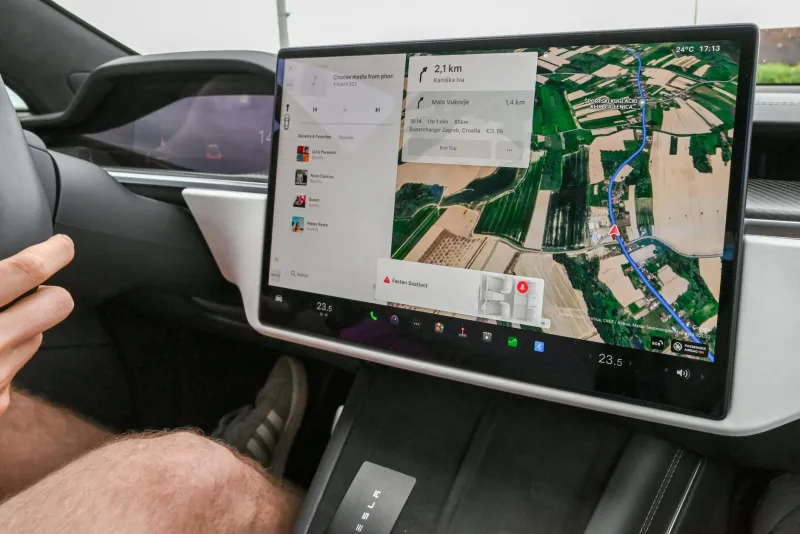
Before smartphones turned everyone into passive passengers in their own journeys, navigating an unfamiliar city required genuine skill, preparation, and a willingness to embrace uncertainty. An entire generation developed spatial intelligence that today's travelers will never need to build.
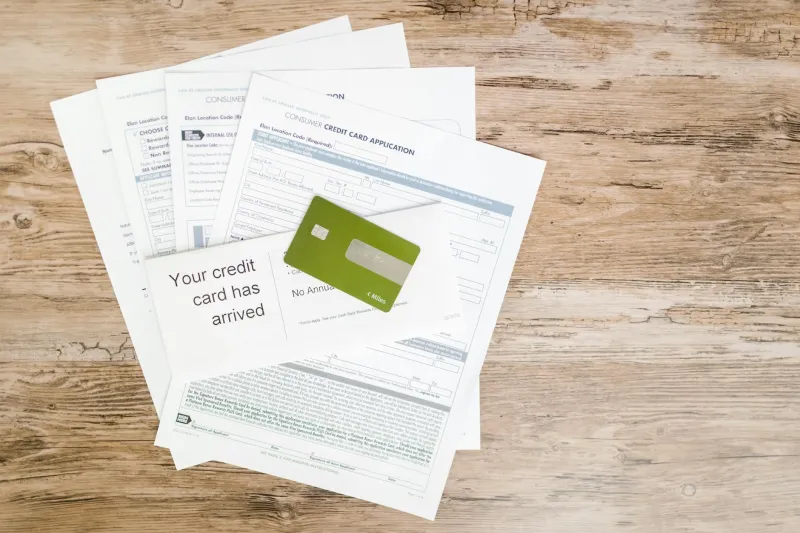
Relocating to another state used to mean solving a genuinely difficult problem: how do you safely transport your money hundreds of miles? Letters of credit, handwritten checks, and trusting a local banker you'd just met were the actual solutions people used. The shift to instant digital transfers is so recent that most people have never considered how remarkable it was to move your finances across state lines.
Before apps, ATMs, and online portals, accessing basic services in America meant building your schedule around waiting. The bank on Friday afternoon. The DMV any day of the week. The doctor's office, the post office, the pharmacy counter. This is the story of the hidden time tax that shaped daily life for generations — and quietly disappeared.
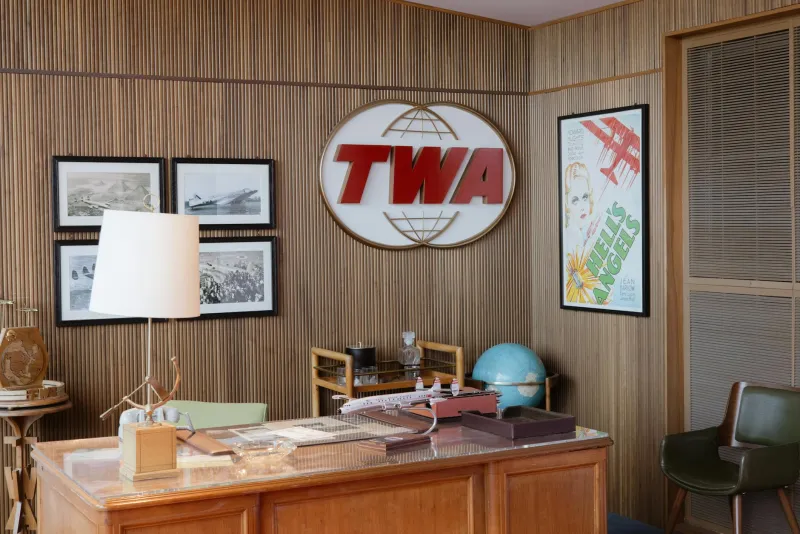
In 1978, booking a domestic flight meant calling a travel agent, waiting for paper tickets in the mail, and paying fares that would make your eyes water today. The story of how air travel went from exclusive luxury to something you decide to do on a Tuesday is one of the most dramatic economic transformations in American life.
Before the Interstate Highway System, driving from New York to Los Angeles wasn't an adventure — it was a genuine expedition. Unpaved roads, unreliable maps, and towns days apart made cross-country travel a feat of endurance most Americans simply didn't attempt.
Driving from New York to Los Angeles in 1960 wasn't a road trip — it was an expedition. Before the Interstate Highway System reshaped the country, crossing America by car meant two weeks of two-lane roads, small-town speed traps, and hoping your engine held together somewhere in the Nevada desert.