The Department Store Promise
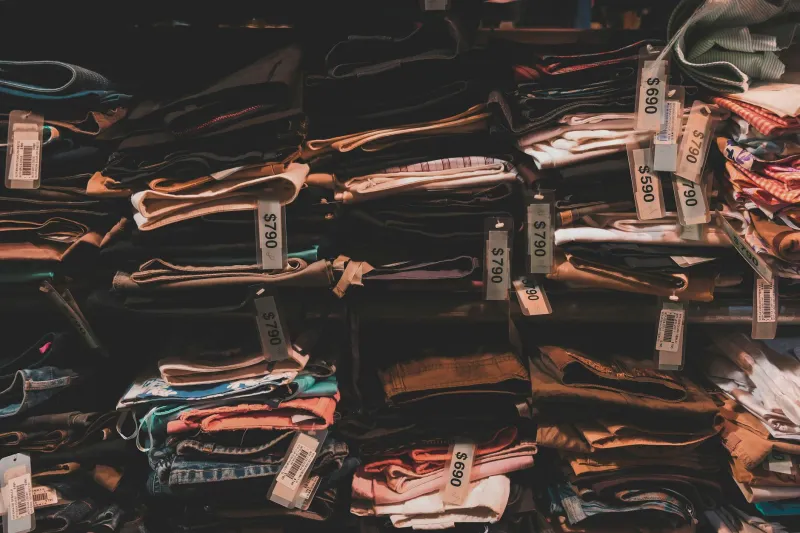
Walk into any American department store in 1965, and the clothing sections told a different story about how we dressed. Heavy wool coats hung on sturdy hangers, their price tags equivalent to a month's rent. A quality suit cost what many people earned in two weeks. But these weren't just clothes—they were investments expected to last decades.
Salespeople knew their merchandise intimately, explaining the difference between various wool weights and why certain fabrics would age better than others. They'd measure customers carefully, recommend alterations, and often knew three generations of the same family's clothing preferences. Buying clothes was serious business because clothes were serious purchases.
The Economics of Durability
In 1970, the average American household spent about 10% of its income on clothing—roughly double today's percentage. But they bought far fewer items, and those items were built to withstand years of regular wear. A winter coat might serve through twenty Minnesota winters. A wedding dress could be altered and worn by daughters and granddaughters.
This wasn't just about quality construction, though the stitching, linings, and hardware were genuinely superior. It was about a completely different relationship with possessions. Clothes weren't disposable expressions of momentary style—they were functional objects that needed to earn their place in limited closet space.
The Neighborhood Tailor
Every American neighborhood had at least one tailor shop, often run by European immigrants who'd learned their trade through years of apprenticeship. These weren't just alteration shops—they were clothing hospitals where worn garments received new life through expert repair.
Pants could be re-hemmed, waists let out or taken in, tears invisibly mended. Suit jackets got new linings when the old ones wore through. Coats received fresh buttons when the originals cracked or fell off. The local tailor knew every family's clothing history and could often repair items they'd originally altered years earlier.
The Art of Making Do
American households once maintained elaborate systems for extending clothing life. Mothers taught daughters how to darn socks, patch knees, and turn shirt collars when they frayed. Garments moved through family hierarchies—older siblings' outgrown clothes became younger siblings' school wear, then eventually work clothes or cleaning rags.
This wasn't poverty; it was practicality. Even wealthy families practiced clothing conservation because waste was considered shameful. The idea that you'd throw away a garment because it was "last season" would have seemed absurd to people who expected their clothes to transcend multiple fashion cycles.
The Seasonal Wardrobe Rotation
Closets were smaller because people owned fewer clothes, but those clothes worked harder. Families performed seasonal wardrobe rotations, carefully storing winter garments in cedar chests with mothballs, then retrieving them the following year like old friends.
A typical American might own two or three coats total: a heavy winter coat, a lighter spring jacket, and maybe a raincoat. These weren't fashion statements—they were functional tools for surviving weather, chosen for durability and versatility rather than trend appeal.
When Brands Meant Guarantees
Clothing manufacturers once staked their reputations on longevity. Companies like L.L.Bean, Pendleton, and Brooks Brothers built customer loyalty by standing behind their products for years or even decades. Many offered repair services, replacement guarantees, or lifetime warranties.
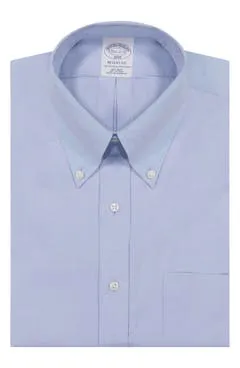 Photo: Brooks Brothers, via n.nordstrommedia.com
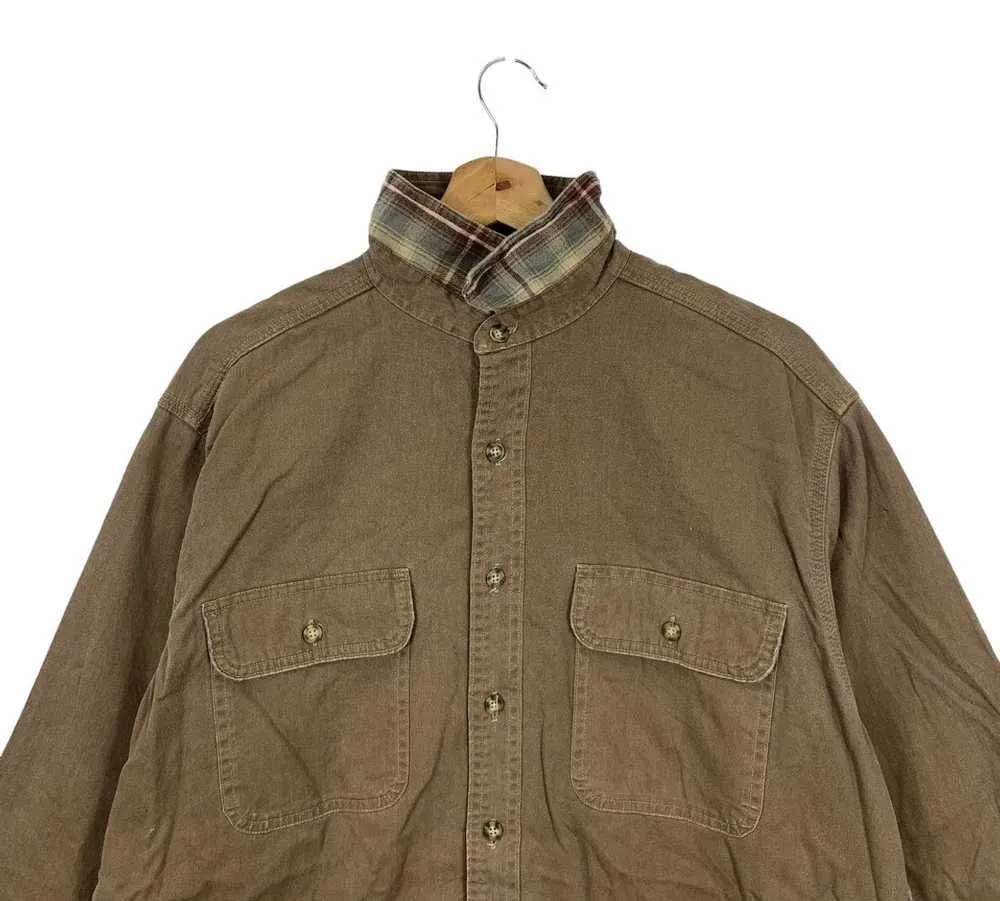 Photo: L.L.Bean, via img.gem.app
Brand loyalty developed over generations because brands proved themselves through extended use. Your father's experience with a particular coat manufacturer influenced your own purchasing decisions. Word-of-mouth recommendations carried enormous weight because they were based on years of actual wear testing.
The Fast Fashion Revolution
Sometime in the 1990s, everything changed. Global manufacturing, synthetic fabrics, and just-in-time production systems made it possible to produce clothing at previously unimaginable low costs. Suddenly, Americans could buy five shirts for what one shirt used to cost.
But this abundance came with a hidden trade-off. Those five shirts wouldn't last as long as the single shirt they replaced. The stitching was simpler, the fabrics thinner, the construction shortcuts invisible but significant. Clothing became disposable, and disposal became normal.
The Modern Wardrobe Paradox
Today's average American owns roughly five times more clothing than their 1970s counterpart while spending a smaller percentage of income on it. Closets overflow with options, yet people often feel like they have "nothing to wear." The abundance of choice has somehow created a scarcity of satisfaction.
Fast fashion cycles have accelerated beyond anything previous generations could have imagined. Stores introduce new inventory weekly rather than seasonally. Social media creates pressure to avoid "outfit repeating." The very concept of keeping clothes for decades seems almost quaint.
What We Lost in Translation
The shift to disposable fashion eliminated more than just durable clothing—it destroyed an entire ecosystem of skills and relationships. Neighborhood tailors disappeared as alteration became more expensive than replacement. The art of mending was forgotten as throwing away became easier than fixing.
We also lost the particular satisfaction that came from truly knowing your clothes. When you owned fewer garments but wore them regularly, you developed relationships with individual pieces. You knew exactly how that coat felt in different weather, which pants needed a belt, which shirt looked best with what.
The Environmental Reckoning
The true cost of our clothing revolution is becoming clear in overflowing landfills and polluted waterways. The average American now throws away about 80 pounds of clothing annually—garments that might have served previous generations for decades.
Some consumers are rediscovering the appeal of durable goods, seeking out brands that promise longevity over trend appeal. But the infrastructure that once supported a repair-and-reuse clothing culture has largely vanished, making it difficult to return to old patterns even when we want to.
The Heirloom That Never Was
Perhaps the most poignant loss is the end of clothing as inheritance. Families once passed down quality garments like jewelry or furniture—tangible connections to previous generations. Your grandfather's overcoat or grandmother's dress carried family history in their fabric.
Today's fast fashion rarely survives long enough to become tomorrow's heirloom. We've gained access to infinite style options but lost the possibility of wearing our family's history. In choosing clothes that last a season over clothes that last a lifetime, we've traded permanence for novelty—and we're only beginning to understand what that exchange really cost us.