The Folder That Held a Life
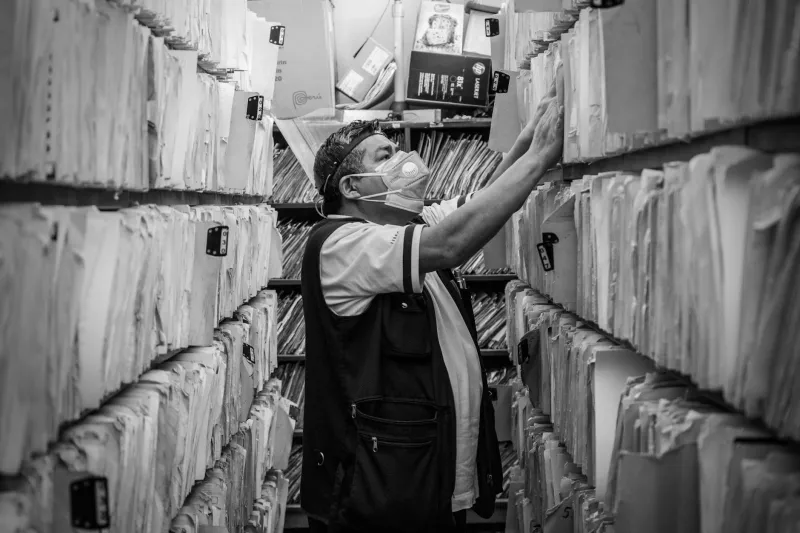
Dr. Margaret Chen kept her patient files in a wall of beige filing cabinets that stretched from floor to ceiling in her small-town practice. Each manila folder told a complete story: Johnny Peterson's first broken arm at age seven, his mother's notes about his fear of needles, his father's diabetes diagnosis, his grandmother's heart condition, and thirty years of handwritten observations about how this family responded to stress, illness, and treatment.
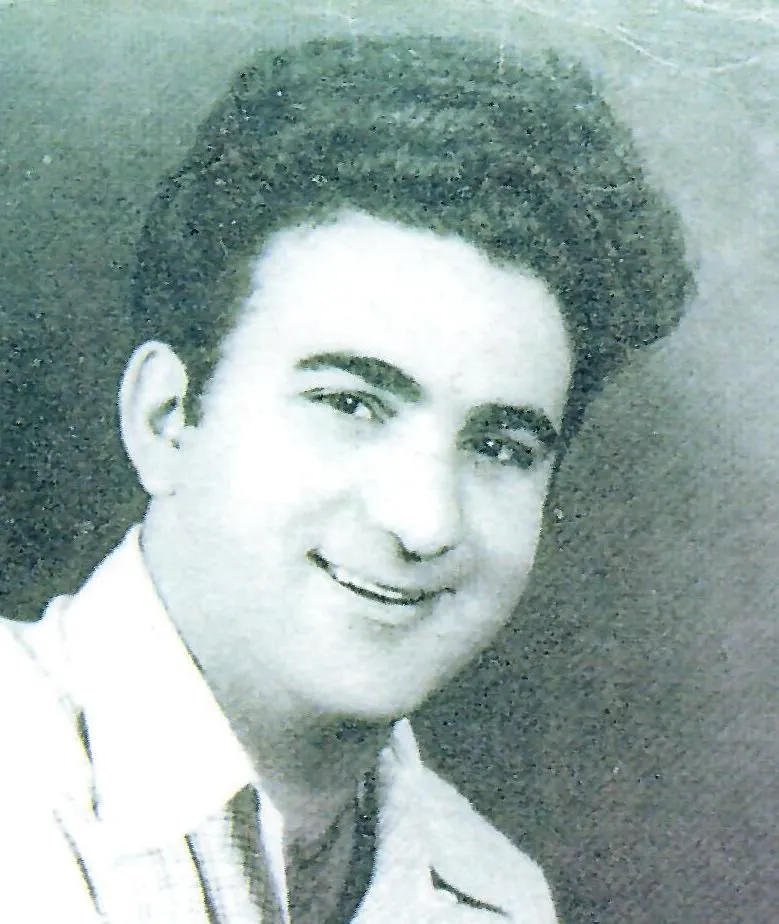 Photo: Johnny Peterson, via cache.legacy.net
When Johnny brought his own son in for a checkup decades later, Dr. Chen could flip through that same folder and see patterns spanning three generations. She knew which medications worked for this family and which didn't. She remembered that they healed slowly from surgery but recovered quickly from respiratory infections. She had notes about who was the worrier and who minimized symptoms.
This wasn't just record-keeping—it was institutional memory made personal.
The Art of the Handwritten Note
Before electronic health records, doctors wrote everything down by hand. Not just vital signs and prescriptions, but observations that no computer system would ever think to capture: "Patient seems anxious about upcoming job interview—may be contributing to elevated blood pressure" or "Mother reports child has been having nightmares since father deployed overseas."
These handwritten notes created a narrative thread through a person's health history. Dr. Chen could see how Johnny's asthma flared during exam periods in high school, how his back pain correlated with stress at work, how his sleep patterns changed after his divorce. The physical act of writing forced doctors to synthesize what they were seeing and thinking, creating a more complete picture than any dropdown menu could capture.
The folders grew thick over time, becoming biographical documents that chronicled not just medical events but life events and how they intersected with health. A good family doctor could read through a file and tell you the story of a person's life.
Continuity Across Decades
The power of the paper system wasn't just in individual records—it was in continuity. One doctor, one practice, one filing system that followed families across decades. Dr. Chen delivered babies, treated their childhood illnesses, managed their teenage injuries, guided them through adult health challenges, and eventually cared for them in their final years.
This longitudinal view revealed patterns invisible to our current system of specialists and fragmented care. Dr. Chen could see that the Miller family women all developed thyroid problems in their forties, that the Johnson men were prone to kidney stones, that the Garcia children all had unusual reactions to certain antibiotics.
More importantly, she understood the context behind each family's health patterns. She knew which patients would follow through on treatment recommendations and which needed extra encouragement. She knew who was likely to minimize symptoms and who tended to catastrophize. She knew which families had strong support systems and which were struggling alone.
The Personal Touch in Medical Records
Paper records allowed for a kind of personalization that seems almost quaint today. Dr. Chen would clip newspaper articles about her patients' achievements to their files. She'd note when someone got married, divorced, or lost a job, understanding that these life events affected health in ways that pure medical data couldn't capture.
The records included family photos, children's drawings, and thank-you notes—reminders that these weren't just medical cases but human beings with rich, complex lives. When a patient came in, Dr. Chen didn't just see their current symptoms; she saw them in the context of their entire life story.
This personal knowledge informed treatment decisions in subtle but important ways. She knew which patients needed gentle encouragement and which responded better to direct challenges. She understood family dynamics that might affect compliance with treatment plans. She recognized when someone's symptoms might be stress-related rather than purely physical.
The Limits of Paper
The paper system wasn't perfect. Records could be lost, damaged, or become illegible over time. Information couldn't be easily shared with specialists or accessed remotely. Research was nearly impossible when data was locked away in thousands of individual files. Emergency care suffered when doctors couldn't quickly access patient histories.
Handwriting was sometimes indecipherable, leading to medication errors. Important information could be buried in pages of notes, making it hard to find quickly during urgent situations. The system relied heavily on the memory and organizational skills of individual doctors and their staff.
The Digital Revolution's Promise and Price
Electronic health records promised to solve these problems, and in many ways they have. Information is now searchable, shareable, and secure. Multiple providers can access the same records simultaneously. Research becomes possible when health data can be aggregated and analyzed across large populations.
But something essential was lost in translation. Today's electronic records capture data points but struggle with narrative. They excel at recording what happened but fail to convey why it matters or how it fits into the larger story of a person's life.
Modern healthcare has become fragmented across specialists, systems, and institutions that rarely communicate effectively. A patient might see a cardiologist, an endocrinologist, and a mental health provider, each maintaining separate records that don't paint a complete picture of the person's health.
The Paradox of More Information, Less Understanding
Today's healthcare providers have access to more medical information than ever before, yet many feel they know their patients less well. Electronic records are filled with objective data—lab results, vital signs, diagnostic codes—but lack the subjective observations that help providers understand their patients as whole people.
The structured nature of digital records, with their dropdown menus and required fields, can actually discourage the kind of thoughtful observation that Dr. Chen's handwritten notes encouraged. When you have to click through multiple screens to document a simple observation, you're less likely to record the subtle patterns that might be crucial to understanding a patient's health.
What We're Trying to Rebuild
Interestingly, modern healthcare is now trying to recreate some of what the paper system provided naturally. Patient portals attempt to give people access to their complete health history. Care coordinators try to maintain continuity across different providers. Electronic systems are being redesigned to encourage more narrative documentation.
Some practices are returning to longer appointment times and fewer patients per doctor, trying to recreate the personal relationships that once defined healthcare. Others are experimenting with artificial intelligence that can identify patterns across years of data, attempting to replicate the institutional memory that experienced doctors like Dr. Chen carried in their heads.
The Human Element
The paper medical record system worked not because the technology was superior, but because it supported and encouraged the human elements that make healthcare effective: continuity, personal relationships, and the understanding that health is about more than just medical data.
Dr. Chen's manila folders weren't just storage devices—they were tools that helped her be a better doctor by remembering not just what happened to her patients, but who they were as people. In our rush to digitize and optimize healthcare, we may have forgotten that sometimes the most important information can't be captured in a database.
The future of healthcare might not be about choosing between paper and digital, but about finding ways to combine the efficiency of modern technology with the personal touch that made the old system work so well. Because at the end of the day, good healthcare isn't just about managing data—it's about caring for people.