
The Ceremony That Meant Something
In 1978, when Harold Peterson walked out of the Ford plant for the last time, his supervisor handed him a gold watch and an envelope containing the details of his pension. At 65, after 30 years on the assembly line, Harold was done working. Not mostly done, not working part-time, not consulting or driving for Uber on weekends. Done.
The watch wasn't just a token—it was a symbol of a contract that American companies had honored for decades. Work hard for us, stay loyal, and we'll take care of you when you're too old to work. Harold's pension would pay him 70% of his final salary for the rest of his life. Combined with Social Security, he'd have more money in retirement than many people earned while working.
 Photo: Social Security, via endependence.org
This wasn't unusual. This was how retirement was supposed to work.
When 65 Was Actually the End
For most of the 20th century, turning 65 meant crossing a genuine finish line. Not because people were necessarily tired of working, but because society had structured itself around the idea that everyone deserved a period of life free from the obligation to earn money.
Retirement wasn't something you hoped for or saved desperately toward—it was something you planned for with confidence. Companies offered pension plans as standard benefits. The math was straightforward: work for 30-35 years, and your employer would pay you a percentage of your salary for the rest of your life.
Social Security, established in 1935, was designed as a foundation that would prevent elderly poverty, not as the primary source of retirement income. But it was robust enough that, combined with a company pension and modest savings, it created genuine financial security for most American workers.
The Three-Legged Stool
Financial planners used to describe retirement security as a three-legged stool: Social Security, employer pensions, and personal savings. All three legs were strong, and most workers could count on all three.
Employer pensions were the most reliable leg. These weren't 401(k) accounts that fluctuated with the stock market—they were defined benefit plans that guaranteed specific monthly payments. Work for General Motors for 30 years, and they would pay you a predetermined amount every month until you died. The risk of market downturns, longevity, and inflation was carried by the company, not the individual worker.
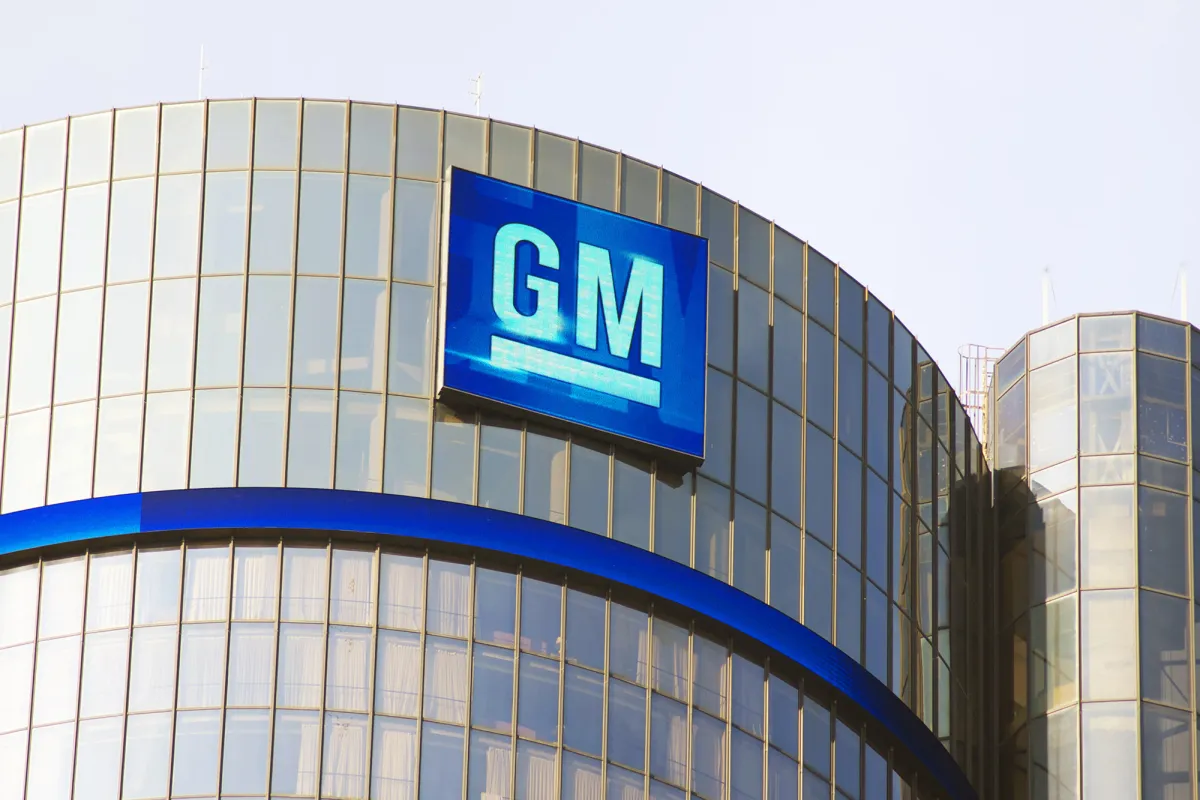 Photo: General Motors, via nypost.com
Social Security replacement rates were higher. The program was designed to replace about 75% of pre-retirement income for average workers, compared to roughly 40% today. Personal savings were the smallest leg because they didn't need to be large—the other two legs were doing most of the work.
The Leisure Years Were Real
Retirement wasn't just financial security—it was time security. Retirees had decades of unscheduled time ahead of them, and they knew it. They could make long-term plans because they weren't worried about having to return to work when the money ran out.
This created a genuine retirement culture. Entire industries developed around serving retirees who had both time and money. The RV industry boomed as couples spent years traveling the country. Golf courses proliferated in retirement communities. Cruise lines marketed specifically to retirees who could afford to travel for weeks at a time.
Retirement wasn't just the absence of work—it was a distinct phase of life with its own rhythms, possibilities, and social structures.
When the Promise Started Breaking
The dismantling of traditional retirement began quietly in the 1980s. Companies started freezing pension plans, citing costs and competitive pressures. The 401(k), originally designed as a supplemental savings vehicle for executives, began replacing pensions as the primary retirement benefit for ordinary workers.
This shift transferred enormous risk from institutions to individuals. Instead of guaranteed monthly payments, workers now had accounts that might be worth more or less depending on market performance and their own investment decisions. Instead of professional fund managers handling investment risk, individual workers were expected to become their own financial experts.
Simultaneously, Social Security benefits were gradually reduced through changes in the retirement age and benefit formulas. The program that was designed to provide a foundation of security became more like a safety net—better than nothing, but insufficient for genuine financial independence.
The New Retirement Reality
Today's workers face a retirement landscape that would be unrecognizable to Harold Peterson's generation. The median 401(k) balance for workers nearing retirement is around $65,000—enough to generate maybe $200-300 per month in income. Social Security provides an average of about $1,800 monthly. Together, that's roughly $2,100 per month, or about $25,000 per year.
For context, that's less than what many people spend on housing alone. The idea of stopping work entirely at 65 has become unrealistic for most Americans. Instead, we've normalized "phased retirement," part-time work, and the gig economy for seniors as if these were improvements rather than signs of a broken system.
Working Until You Die
The statistics tell the story. In 1985, about 10% of people over 65 were still working. Today, it's over 20% and rising. But these numbers understate the change because they don't capture the anxiety and uncertainty that now surrounds retirement.
Previous generations knew when they would retire and roughly how much money they would have. Current workers face radical uncertainty about both. Will their 401(k) accounts recover from the next market crash? Will Social Security still exist in its current form? How long will they need their money to last?
This uncertainty has created a new category of American worker: people who can't afford to retire but are too old to easily find new employment if they lose their current job. They're trapped in a liminal space between the working years and retirement, with insufficient resources to stop working but declining prospects for earning more.
What We Lost
The death of traditional retirement has cost us more than financial security, though that loss has been devastating. We've lost the social recognition that people who have worked for decades deserve to rest. We've lost the idea that society has an obligation to care for its elders.
We've also lost the practical benefits that a large population of financially secure retirees brought to communities. These were people with time to volunteer, to mentor younger workers, to participate in civic life. They were consumers who supported entire industries built around leisure and travel.
Perhaps most importantly, we've lost hope. The promise of retirement gave work meaning beyond the immediate paycheck. You endured difficult jobs and demanding bosses because you knew it was temporary—that loyalty and persistence would eventually be rewarded with freedom.
The Generational Divide
The collapse of retirement security has created a stark generational divide. Baby Boomers who retired with pensions often can't understand why younger generations seem so pessimistic about their economic prospects. Meanwhile, younger workers watch their parents work into their 70s and wonder if they'll ever be able to stop working at all.
This divide affects everything from housing markets (older Americans who can't afford to retire can't downsize) to family relationships (adult children supporting aging parents who should have been financially independent).
The gold watch ceremony still happens occasionally, but it feels hollow now. The watch is still there, but the promise it represented—that loyal work would be rewarded with genuine security and freedom—has been quietly broken. We've normalized the idea that people should work until they die, as if the concept of earned rest was always unrealistic rather than a recent casualty of economic policy choices.
Retirement at 65 wasn't a luxury or an entitlement. It was a social contract, and its abandonment has left millions of Americans facing a future of permanent work and financial anxiety that previous generations would have found unthinkable.