Paper Tape and Panic: How America Once Learned It Was Broke
Imagine waking up on a Tuesday morning with no idea that the financial world had come apart the night before. No alert on your phone. No push notification. No cable news anchor looking gravely into a camera. Just the smell of coffee, the sound of the radio playing a cheerful jingle, and somewhere across town, a narrow strip of paper slowly printing numbers that would change everything.
That was America for most of its financial history. And it shaped the way ordinary people experienced economic catastrophe in ways we've almost entirely forgotten.
The Machine That Knew Before You Did
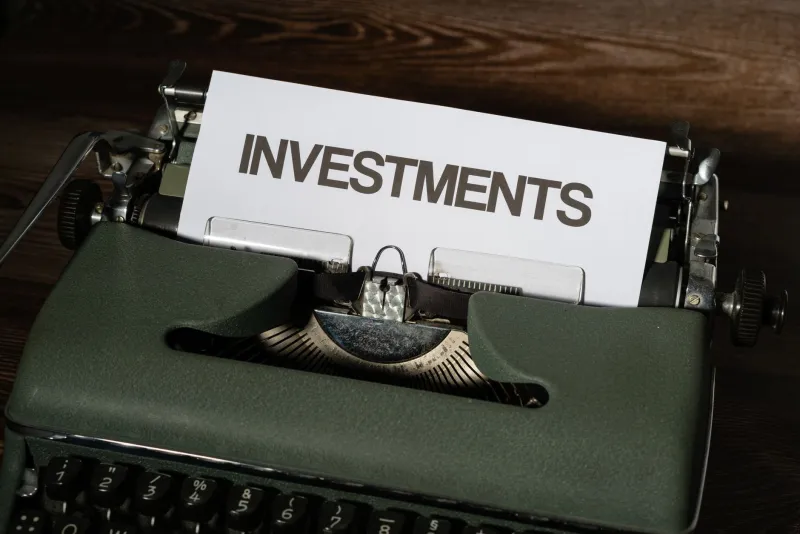
The ticker tape machine was one of the great inventions of the 19th century — a telegraph-connected device that printed stock prices on a thin paper ribbon as trades were executed on the floor of the New York Stock Exchange. By the early 20th century, ticker machines hummed away in brokerage offices, hotel lobbies, and private clubs across the country. If you wanted to know what the market was doing in anything close to real time, you had to be physically near one of those machines.
And even then, "real time" was generous. During periods of heavy trading — like, say, the catastrophic days of late October 1929 — the ticker tape ran hours behind the actual market. Brokers on the floor of the exchange were watching prices collapse in front of their eyes while the tape being read in Chicago or Boston was still printing numbers from two hours earlier. People were making decisions based on information that was already ancient history.
On October 24, 1929 — Black Thursday — the ticker fell so far behind that it wasn't caught up until nearly two hours after the closing bell. Investors in cities outside New York had no reliable picture of what had happened all day. They waited. They called their brokers. They got busy signals or no answers at all.
The Evening Paper as the First Alert
For most Americans who didn't work in finance, the newspaper was how the crash arrived at their door. Not the morning edition — that had gone to press before the worst of it unfolded. The evening paper. The extra edition. The shouted headlines from the kid on the street corner.
There was a particular kind of dread in that delivery mechanism. You'd be going about your afternoon — running an errand, picking up the kids, stopping by the barber — and then the headline would hit you. The news didn't arrive as a stream of constantly updating information you could track and process gradually. It arrived all at once, fully formed, already in the past tense.
The barber shop deserves its own mention here. In the days before financial media reached ordinary households, word-of-mouth was a genuine information channel. Men gathered in those chairs and talked. A guy whose brother worked at a brokerage downtown might have heard something. The barber himself might have overheard a conversation. Information moved person to person, imprecise and emotionally charged, through the social fabric of neighborhoods and small towns.
Panic in Slow Motion
What's striking about the 1929 crash, looking back, is how long it took for the full scale of the disaster to become clear to ordinary Americans. The stock market didn't collapse in a single day — it deteriorated over weeks. But the information lag meant that most people were always catching up to a reality that had already moved on.
Bank runs, when they came, were powered by rumor and fear rather than verified data. People lined up outside their local bank not because they'd read a financial analysis, but because a neighbor had said something, or a relative had called from out of state, or they'd simply seen the expression on someone else's face and drawn their own conclusions.
There was something almost medieval about it — a community processing shared catastrophe through proximity and conversation rather than through data.
The Flash Crash Era
Now consider what happens when markets move today.
On May 6, 2010, the Dow Jones Industrial Average dropped nearly 1,000 points in a matter of minutes before partially recovering — all driven largely by automated trading algorithms responding to each other faster than any human could follow. The event became known as the Flash Crash. It was over before most people had time to understand what they were watching.
In 2020, when pandemic fears sent markets into freefall, millions of Americans watched it happen live on their phones while standing in line at the grocery store. Financial apps sent real-time notifications. Social media filled with commentary, analysis, jokes, and panic, all simultaneously. The information wasn't just available — it was unavoidable.
Modern market crashes are experienced as events happening to you in real time, rather than events you learn about after the fact. That changes the psychology of it entirely. The 1929 investor had hours of not-knowing. Today's investor has milliseconds — and then a flood.
What the Delay Actually Did
It's tempting to assume that faster information is always better. And in many ways, it is. Real-time market data allows for faster responses, better-informed decisions, and a more level playing field between ordinary investors and professionals.
But the old information lag had one unintentional benefit: it forced a kind of pause. You couldn't react instantly because you didn't know instantly. By the time the evening paper arrived with the bad news, you'd already lived most of the day. You'd eaten dinner. You'd talked to your family. The crisis was real, but it existed at a slight remove from your immediate moment.
Today, the crisis arrives before you've had time to breathe. The algorithm reacts before the human does. The notification lands before you've even formed a question.
The ticker tape machine was slow, imprecise, and often hours behind reality. But it gave America time to absorb its disasters at something close to a human pace. Whether that was a flaw or a feature probably depends on what side of the news you were on.