The Oracle Behind the Desk
Walk into Marilyn's Travel Services on Main Street in 1985, and you'd find a woman surrounded by towering stacks of glossy brochures, a rotary phone that never stopped ringing, and filing cabinets stuffed with paper tickets and hotel vouchers. Marilyn had never been to Paris, but she could plan your perfect week there. She'd never set foot in a Hawaiian resort, but she knew which ones had the best snorkeling and which ones attracted honeymooners versus families.
For thirty years, Americans handed their most precious vacation dreams to people like Marilyn—local travel agents who worked magic with nothing but printed materials, telephone relationships, and an encyclopedic knowledge of places they'd mostly never seen.
The Ritual of Planning a Trip
Planning a vacation in 1985 began with a pilgrimage to your local travel agency. You'd flip through dozens of brochures, each one promising paradise with carefully staged photos of empty beaches and smiling couples. Marilyn would take notes on a yellow legal pad: "Hawaii, two weeks, budget $3,000, wants snorkeling, no kids."
Then came the real work. Marilyn would spend hours on the phone with airline reservations, hotel booking agents, and tour operators. She'd hold for twenty minutes to check flight availability, call back three times to confirm hotel rates, and somehow coordinate everything into a coherent itinerary—all while managing a dozen other clients' trips.
The entire process took weeks. You'd make an initial appointment, return a few days later to review options, make changes, return again to finalize details, and eventually pick up a thick envelope containing paper tickets, hotel vouchers, and hand-typed itineraries.
The Trust of Strangers
The relationship between travelers and travel agents was built on extraordinary trust. You were handing over thousands of dollars and your entire vacation to someone whose qualifications were unclear and whose recommendations you couldn't easily verify.
Marilyn might suggest a "charming boutique hotel" in Rome based on nothing more than a conversation with a tour operator she'd worked with for years. You couldn't read reviews from previous guests or see photos beyond the glossy brochure shots. You couldn't compare prices with competing hotels or check real-time availability.
Yet somehow, it usually worked. Travel agents developed networks of reliable contacts and learned through experience which suppliers delivered on their promises. They built reputations in their communities and succeeded through word-of-mouth recommendations from satisfied clients.
The Paper Trail That Held Everything Together
Every aspect of pre-internet travel involved paper documentation. Airline tickets were thick, multi-part carbon forms with perforated sections for each flight segment. Hotel vouchers were printed certificates that you'd exchange at check-in. Rental car confirmations were typed letters on company letterhead.
Losing any piece of this paper trail could derail your entire trip. Travelers carried everything in special document folders, treating their tickets like cash. There were no electronic confirmations to fall back on, no customer service databases to verify your reservations.
Travel agents served as the backup system for all this documentation. They kept copies of everything and could often resolve problems with a phone call to their industry contacts. When your hotel claimed they had no record of your reservation, Marilyn could fax them the confirmation and usually sort things out.
The Disasters and the Miracles
Pre-internet travel was full of spectacular failures and equally spectacular saves. Flights were oversold with no way to check passenger loads in advance. Hotels double-booked rooms because their reservation systems weren't connected. Tour groups sometimes arrived to find their guides had never received the booking.
But travel agents also performed miracles that seem impossible today. Marilyn once rebooked an entire family vacation when their original resort was damaged by a hurricane—making dozens of phone calls and somehow finding comparable accommodations during peak season. Another time, she arranged a surprise anniversary trip by coordinating with the client's spouse, employer, and babysitter without the traveler ever knowing.
The personal relationships that travel agents built with suppliers often made the difference between disaster and delight. A hotel manager might upgrade your room because your agent had been sending them business for fifteen years. An airline supervisor might find seats on a "sold-out" flight because they trusted your agent's judgment about which passengers really needed to travel.
The Revolution in Your Pocket
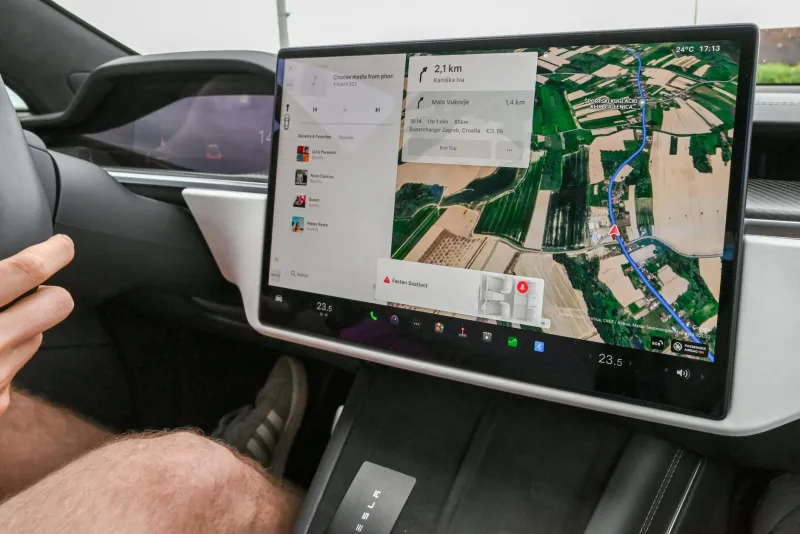
Today, the entire travel industry fits in your smartphone. You can compare prices across hundreds of airlines and hotels instantly. Read thousands of reviews from actual guests. See real photos and virtual tours. Book everything yourself in minutes rather than weeks.
The modern traveler has access to more information than any travel agent could have dreamed of. Real-time pricing, seat maps, weather forecasts, local recommendations from people who live there. You can change flights from the airport, extend hotel stays from your room, and discover restaurants that didn't exist when you left home.
What We Gained and What We Lost
The convenience and control of modern travel booking is undeniable. You're no longer at the mercy of someone else's schedule or limited knowledge. You can research obsessively, compare every option, and make changes instantly as your plans evolve.
But we lost something valuable in the translation from travel agent to travel app. The human expertise that could navigate complex itineraries and resolve problems with a phone call. The personal service that remembered you preferred aisle seats and hotels with pools. The sense of anticipation that built over weeks of planning rather than minutes of clicking.
Most importantly, we lost the safety net of having a knowledgeable advocate when things went wrong. When your flight is canceled at midnight in a foreign country, there's no Marilyn to call who will personally ensure you get home safely.
The Last Travel Agents
A few travel agents still operate today, mostly serving luxury travelers or handling complex corporate accounts. They've adapted to the internet age by offering specialized expertise that apps can't provide—destination knowledge, supplier relationships, and crisis management skills.
But the neighborhood travel agency with its wall of brochures and promise to plan your dream vacation has largely disappeared. We've gained the ability to book our own trips but lost the magic of trusting a stranger to create experiences we never could have imagined ourselves.
The Envelope of Dreams
There was something special about walking out of Marilyn's office with that thick envelope of tickets and vouchers, knowing that someone had spent hours crafting your perfect getaway. The anticipation built over weeks as you studied the itinerary and imagined the experiences waiting for you.
Today's instant confirmations and digital tickets are more convenient, but they can't replicate the ritual of vacation planning that made the trip feel special before you ever left home. Sometimes the best part of traveling was the journey that began the moment you trusted a stranger to make your dreams come true.