The Sunday Ritual That Ruled American Living Rooms
Every Sunday morning, right after church and before the football game, the Hendricks family would spread the latest TV Guide across their kitchen table like a treasure map. Dad got the red pen for sports, Mom claimed blue for her soap operas and variety shows, and the kids fought over green for Saturday morning cartoons.
This wasn't just planning entertainment — it was orchestrating the family's entire week.
For nearly three decades, from the 1950s through the 1980s, this scene played out in living rooms across America. Families didn't just watch television; they scheduled their lives around it. And in doing so, they participated in something that seems almost impossible today: a truly shared national conversation.
When Missing an Episode Meant Missing Out Forever
Consider what it meant to "miss" your favorite show in 1975. There was no DVR, no streaming service, no YouTube clips the next day. If you weren't planted in front of your television set at exactly 8:00 PM on Thursday, you missed The Waltons — and you might never see that episode again.
This scarcity created an intensity of viewing that's hard to imagine in our age of infinite content. Families rearranged dinner schedules around The Ed Sullivan Show. Date nights were planned around The Love Boat. Even bathroom breaks were strategically timed for commercial breaks.
 Photo: The Ed Sullivan Show, via www.edsullivan.com
Susan Martinez, now 68, remembers the elaborate negotiations required to watch television in her childhood home in Phoenix. "We had one TV and five people with different tastes," she recalls. "Sunday planning sessions could get heated. My dad always won when it came to Bonanza, but the rest of the week was pure democracy."
The Water Cooler Was America's First Social Media
Monday morning office conversations had a rhythm that today's workplace has lost. Everyone had watched the same shows, at the same time, with the same commercials. The previous night's television provided a universal language for small talk.
Did you see what happened on Dallas? Can you believe that twist on The Twilight Zone? Wasn't Carol Burnett hilarious last night?
These weren't niche conversations among fans of particular shows. They were the social currency of American workplace culture. Television created shared references that transcended age, class, and regional differences in ways that seem quaint now.
The numbers tell the story. When MASH* aired its final episode in 1983, 125 million Americans watched — nearly 60% of all households in the country. The last episode of Seinfeld drew 76 million viewers in 1998. Today, a "massive" television audience might reach 20 million people, scattered across hundreds of viewing options.
The Art of the TV Guide Circle
The physical act of marking up the TV Guide was its own small ritual. Different families developed different systems — some color-coded by person, others by priority level. Some households maintained elaborate charts on the refrigerator, tracking which shows each family member had claimed for the week.
These markings represented more than entertainment preferences. They were negotiations about family time, shared experiences, and competing priorities. When Dad circled the Monday Night Football game, everyone knew the living room belonged to him until 11 PM. When Mom claimed Thursday night for The Cosby Show, it became family viewing time.
When Television Programming Was an Event
Networks understood the power they wielded over American schedules, and they used it strategically. Fall premieres were genuine cultural events, heavily promoted and eagerly anticipated. The concept of "sweeps weeks" — when networks aired their most compelling content to boost ratings — turned certain months into television festivals.
Special events carried even more weight. The annual broadcast of The Wizard of Oz was appointment television for families with children. Holiday specials like A Charlie Brown Christmas or Rudolph the Red-Nosed Reindeer marked the calendar as surely as religious observances.
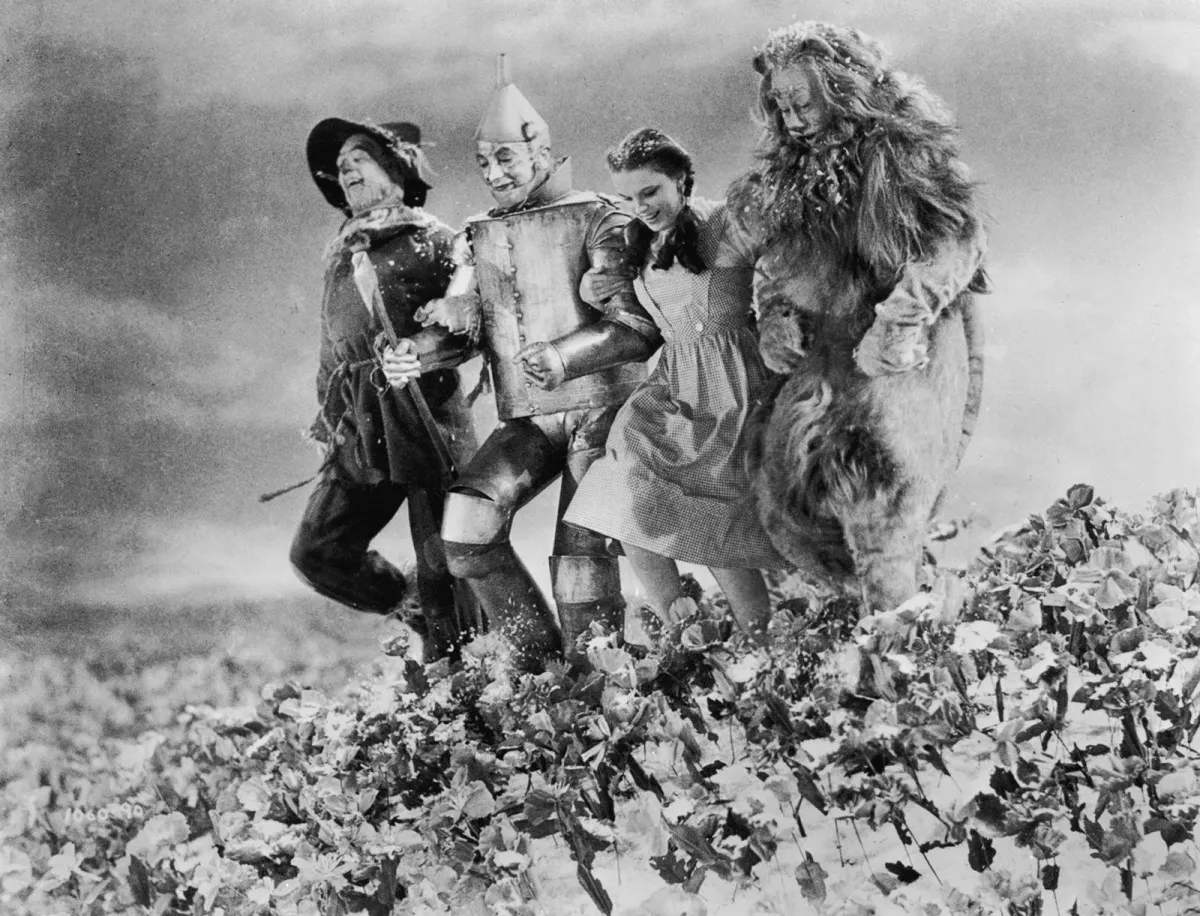 Photo: The Wizard of Oz, via cdn.britannica.com
And then there were the true cultural phenomena — the episodes that seemed to stop the country in its tracks. When J.R. was shot on Dallas, the "Who Shot J.R.?" mystery became a national obsession that lasted months. Water usage would spike during commercial breaks of popular shows as millions of Americans simultaneously visited their bathrooms.
The Tyranny of the Network Schedule
This system wasn't without its frustrations. Viewers were entirely at the mercy of network programming decisions. Shows could be moved, cancelled, or preempted for sports or news with no warning. A power outage during your favorite program was a genuine tragedy.
Families developed elaborate backup plans for television emergencies. Some households maintained relationships with neighbors who had better antenna reception or different viewing preferences, creating informal networks for catching missed episodes.
The concept of "appointment television" also meant that social lives bent around broadcast schedules. Dinner parties ended promptly at 8 PM on Sundays so everyone could get home for The Ed Sullivan Show. Wedding receptions were scheduled around the football season. Even dating was influenced by television schedules — Thursday night dates were tricky because of the strong lineup of popular shows.
The Paradox of Infinite Choice
Today's streaming landscape offers everything the TV Guide generation could have dreamed of: thousands of shows available instantly, the ability to watch anything at any time, no commercials if you pay extra, and the power to pause, rewind, or binge entire seasons in a weekend.
Yet something essential has been lost in this abundance. The shared cultural experience that scheduled television created has fragmented into millions of individual viewing bubbles. We have more choice than ever before, but less common ground.
Modern television is undeniably better in almost every measurable way — higher quality, more diverse, more convenient. But it's also more isolating. The Monday morning water cooler conversation has been replaced by algorithm-driven recommendation engines that ensure we each see exactly what we want to see, and nothing more.
When Constraints Created Connection
The irony of the TV Guide era is that its limitations created its greatest strength. By forcing everyone to watch the same thing at the same time, scheduled television created a kind of cultural synchronization that seems impossible to recreate.
Those Sunday morning planning sessions weren't just about entertainment — they were about negotiating family priorities, building shared experiences, and participating in a national conversation. The red pen circles in the TV Guide represented something larger than individual preferences: they were the markings of a society that still believed in watching things together.
In our age of endless choice and personalized content, we've gained the freedom to watch anything, anywhere, anytime. But we've lost the unique pleasure of knowing that somewhere out there, millions of other people were laughing at the same jokes, gasping at the same plot twists, and sharing the same cultural moments.
The TV Guide is gone, but the red pen circles it inspired remain a reminder of when America's living rooms were connected by something more powerful than wifi: the simple agreement to show up at the same time for the same story.