There was a time when "let's meet at 7" actually meant something. When those words left your mouth, you were making a commitment that couldn't be undone with a quick "running late!" text sent from your Uber. You were entering into a social contract that required planning, punctuality, and a level of follow-through that would seem almost quaint today.
The Phone Tree Era
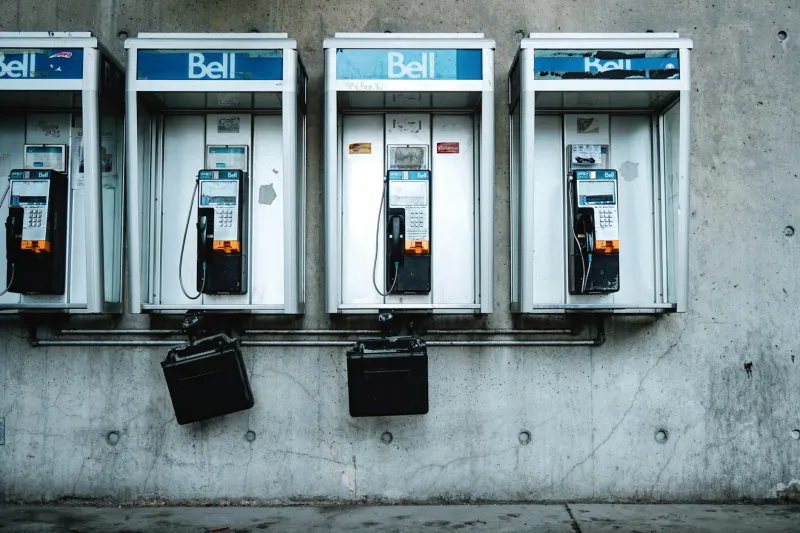
In the 1980s and 1990s, organizing a group dinner started days in advance. First, you'd call your closest friend from the kitchen phone, the one with the 15-foot cord that let you pace while you talked. If they weren't home, you'd try again later—or leave a message with their mom, who might or might not remember to pass it along.
Once you had one person confirmed, the real work began. Each additional friend required a separate phone call, often multiple attempts, and careful coordination of schedules that existed only in people's heads or on paper calendars hanging on refrigerators. There was no group chat to update everyone simultaneously when the restaurant changed or the time shifted.
The phrase "I'll call you back" carried real weight because it might take hours or even days to reconnect. Plans evolved through a series of individual conversations, like a game of telephone where the message actually had to stay accurate.
The Art of the Backup Plan
Without real-time communication, successful social coordination required layers of contingency planning that would seem obsessive today. You didn't just pick a restaurant; you picked a backup restaurant in case the first was full. You didn't just set a time; you established a "if you're not here by 7:30, we'll assume you're not coming" rule.
Meeting locations required precision that Google Maps has made us forget. "The Olive Garden on Route 1" wasn't specific enough when there were three Olive Gardens within a 20-mile radius. You had to know cross streets, landmarks, and sometimes even provide detailed driving directions written on actual paper.
The most crucial skill was learning to think through every possible failure point in advance. What if someone's car broke down? What if the restaurant was closed? What if it rained? These weren't paranoid thoughts—they were necessary planning considerations in an era when you couldn't just send a quick update to everyone's pocket computer.
The Commitment Economy
Perhaps the biggest difference was how plans, once made, became sacred. Canceling required a phone call, often to multiple people, and usually happened only for genuine emergencies. The social cost of flaking was much higher when disappointing people required actually speaking to them.
This created what you might call a "commitment economy" around social plans. Because changing or canceling was so logistically complex, people put more thought into what they agreed to in the first place. "Maybe" wasn't really an option—you were either in or out, and everyone needed to know which.
The result was fewer but more intentional gatherings. When getting six people together for dinner required genuine effort from everyone involved, those dinners mattered more. The investment of time and coordination created a shared sense of accomplishment before the evening even began.
When Showing Up Was Everything
Without the ability to track each other's locations or send real-time updates, punctuality became a form of respect. Being late meant potentially ruining everyone's evening, not just sending a quick "5 mins away" text. This pressure created a culture where people actually left early to ensure they arrived on time.
The anxiety was real too. Standing outside a movie theater at 7:45 when you'd agreed to meet at 7:30, with no way to know if your friends were stuck in traffic or had forgotten entirely, was a special kind of stress that smartphones have completely eliminated.
The Spontaneity Paradox
Ironically, while making plans was more difficult, true spontaneity was more common. Because people weren't constantly connected, dropping by someone's house unannounced was normal, even expected. Weekend afternoons often involved driving to friends' houses just to see who was around, something that would seem almost invasive today.
This created a different rhythm to social life—less planned precision, more serendipitous discovery. You might spend Saturday morning calling around to see what was happening, then end up at a house party you hadn't known about an hour earlier.
What We Lost in Translation
Today's social coordination is undeniably more efficient. Group chats let us adjust plans in real-time, location sharing eliminates the guesswork, and last-minute changes don't require calling five different people. But something was lost in that translation from analog to digital planning.
The effort required to organize pre-smartphone social life created a different kind of investment in relationships. When seeing your friends required genuine coordination, those friendships had to matter enough to justify the work. The result was smaller social circles but deeper connections within them.
There's no going back to the days of busy signals and missed connections. But understanding how Americans once navigated social life without pocket computers offers perspective on what we've gained—and what we might have given up—in our rush toward perfect connectivity.