The Ritual of the Saturday Show
Every Friday morning, millions of Americans reached for their local newspaper and flipped to the entertainment section. Not for celebrity gossip or movie reviews, but for something that determined their entire weekend: the theater listings. Those tiny blocks of text, squeezed between car dealerships and furniture sales, held the keys to Saturday night plans.
Seeing a movie wasn't something you did on impulse. It was an expedition that required strategy, timing, and backup plans. The local cinema might show the new release at 7:00 and 9:30 PM, and that was it. Miss those showtimes, and you'd wait until next week—or drive twenty miles to the next town that had a theater.
The Art of Movie Planning
Families gathered around kitchen tables to negotiate which film to see, consulting those newspaper grids like military strategists. The new comedy was playing at the Regal, but the action movie everyone wanted to catch was only at the drive-in across town. Decisions had weight because they couldn't be easily changed.
Teenagers called each other—on landlines, naturally—to coordinate meeting times. "Let's get there by 6:30 for the 7:00 show," became the standard safety margin. Because once that theater filled up, you were out of luck. No reserved seating, no advance tickets for most venues. Just hope and a willingness to stand in line.
The Waiting Game
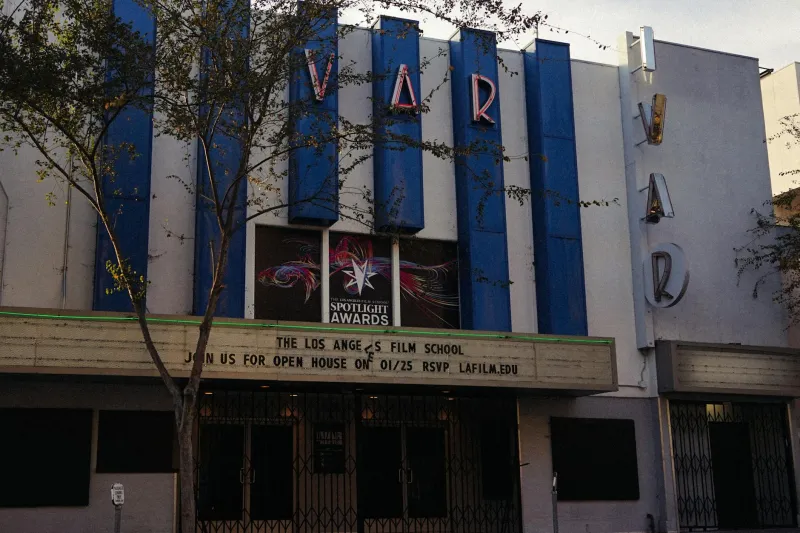
Those lines were part of the experience. Outside movie theaters across America, crowds gathered an hour before showtime, especially for popular films. Parents brought folding chairs. Kids played games on the sidewalk. Couples held hands and talked about everything except the movie they were about to see.
The anticipation built naturally. You'd invested time, planned your evening around this moment, maybe even arranged a babysitter or rescheduled dinner plans. By the time you finally settled into those velvet seats, the movie felt significant before it even started.
When Missing Meant Really Missing
If a film left theaters, it vanished from your life. There was no "I'll catch it when it comes to streaming." You either saw it during its theatrical run, or you waited months—sometimes years—for it to appear on television, edited and interrupted by commercials.
This scarcity created urgency. Movies became cultural events because they had genuine expiration dates. Water cooler conversations on Monday morning carried real weight: either you'd seen the weekend's big release, or you were left out of the conversation entirely.
The Economics of Entertainment
A single movie ticket cost roughly what we'd now spend on a monthly streaming subscription. But that ticket bought you something streaming never could: a shared experience with your entire community. Everyone in town was seeing the same handful of films, creating natural conversation starters and cultural touchstones.
Theaters were social hubs. The lobby before the show was where you caught up with neighbors, where teenagers arranged to "accidentally" bump into their crushes, where parents compared notes about whether the film was appropriate for children.
The Death of Appointment Entertainment
Today's infinite scroll of options would have seemed like paradise to our parents' generation. Pick any movie ever made, start it instantly, pause for snacks, rewind the good parts. We've gained convenience beyond their wildest imagination.
But we've lost something harder to quantify: the weight that comes with limitation. When entertainment was scarce and scheduled, it felt more precious. The friction of accessing culture—the planning, the waiting, the possibility of missing out—transformed consumption into genuine events.
What We Traded Away
Modern streaming has democratized entertainment in remarkable ways. A family in rural Montana can access the same films as someone in Manhattan, instantly and affordably. The barriers that once kept people from culture have largely disappeared.
Yet something shifted when movies became as accessible as turning on a faucet. The ritual of Saturday night at the cinema gave way to the casual scroll through Netflix menus. We gained choice but lost ceremony. We can watch anything, which somehow makes each individual film feel less special.
The newspaper movie listings that once determined weekend plans now read like artifacts from another civilization. In a world where entertainment is infinite and instant, the idea of planning your entire week around catching a single film seems almost quaint. But for generations of Americans, that planning was part of the pleasure—and missing the show meant the show was truly missed.