The Phone Numbers We Used to Carry in Our Heads
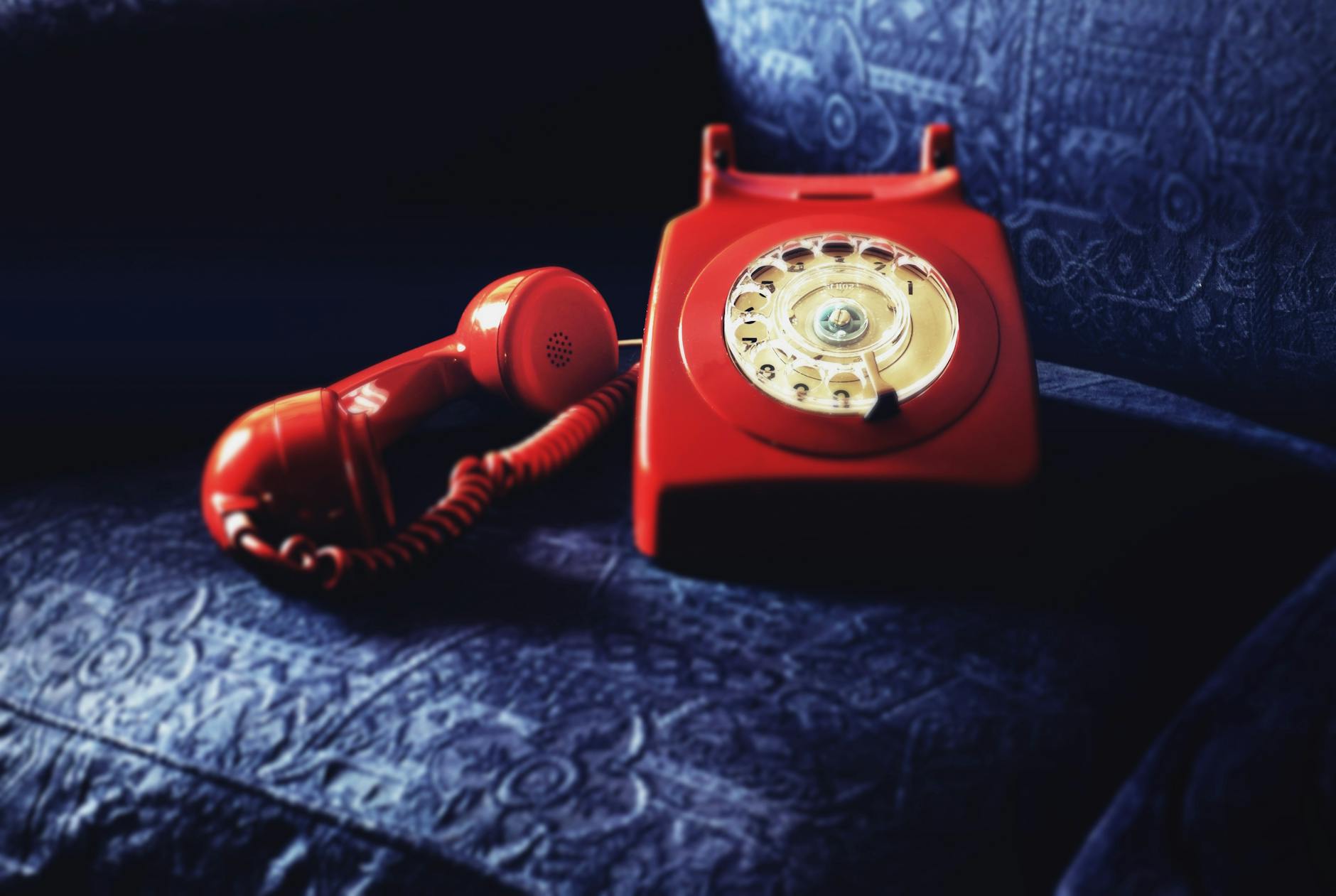
The Phone Numbers We Used to Carry in Our Heads
Ask someone born before 1980 what their childhood best friend's phone number was, and there's a reasonable chance they'll still know it. Seven digits, maybe an exchange name attached — Klondike, Murray, Riverside — burned into memory through sheer repetition. Ask someone born after 1995 for their mom's cell number, and watch the hesitation cross their face.
Something shifted. Quietly, without ceremony, one of the small but genuine skills of everyday American life just... disappeared.
When Numbers Were Yours to Keep
For most of the twentieth century, remembering phone numbers wasn't optional. It was just part of functioning. A typical American household in the 1970s or early '80s might have had a dozen numbers committed to memory — parents, siblings, a grandparent, the pediatrician, the neighbor who kept a spare key. Kids memorized their home number before they memorized their multiplication tables, because that was the number you gave a stranger if you got lost.
There was a physical infrastructure that supported this. The refrigerator door was a kind of analog contact list — a magnet from the pizza place, a business card from the plumber, a scrap of paper with Aunt Carol's new number after the divorce. People kept little address books in purses and glove compartments. Some households had a dedicated spot by the kitchen phone, a notepad worn soft at the edges, filled with handwriting in three different generations.
But beyond the written records, there was the mental layer. The numbers you called often enough that you just knew them. That knowledge felt like something — a small form of self-sufficiency, a connection to the people in your life that existed independent of any device.
The Shift Happened Faster Than Anyone Noticed
The first mobile phones didn't immediately kill phone number memory. Early cell phones had contact lists, sure, but they were clunky to use, and most people still dialed manually out of habit. The real unraveling came gradually through the late 1990s and accelerated sharply in the smartphone era.
Once your phone not only stored numbers but autocompleted calls — once you were tapping a name rather than dialing digits — the repetition that builds memory simply stopped happening. The brain encodes what it rehearses. Stop rehearsing, and the information fades. It's not a failure of intelligence; it's just how memory works. We outsourced the storage, and our brains, efficient as ever, let go.
By the mid-2000s, researchers were already documenting what some called "digital amnesia" — the tendency to forget information that we know is saved somewhere accessible. A 2015 study by Kaspersky Lab found that the majority of adults couldn't recall their children's phone numbers without looking them up. Their children's numbers.
What We Gained, and What We Didn't Realize We Were Losing
It would be easy to frame this as pure loss, but that's not quite right. The contact list is genuinely better technology for storing phone numbers. It doesn't forget. It doesn't transpose digits. It scales to hundreds of contacts in a way no human memory realistically could. Nobody is worse off because they don't memorize their dentist's number.
But the edge cases matter. What happens when your phone dies and you need to reach someone? When you're in an accident and a stranger hands you their phone to make a call? When the power's out and you're staring at a landline that still works, if only you could remember who to dial?
More than the practical concern, though, there's something worth sitting with about what memorized phone numbers represented. They were, in a small way, a measure of who mattered enough to take up space in your mind. You didn't memorize numbers you didn't use. The list was self-curating — a quiet map of your actual social world, carried internally rather than managed by an app.
There's also the question of what we've done to the texture of memory itself. The hippocampus — the brain region most involved in forming new memories — responds to use. Cognitive scientists have long argued that memory, like muscle, benefits from exercise. Phone numbers were one small but regular form of that exercise. Letting them go isn't catastrophic. But it's one of dozens of small cognitive tasks that smartphones have absorbed, and the cumulative effect of all that offloading is something researchers are still trying to understand.
A Number Worth Knowing
There's a practical case to be made for memorizing at least a few numbers — your partner's, a parent's, one trusted friend's. Not because the old way was better, but because redundancy has value. Systems fail. Phones get stolen, dropped in water, left in cabs.
But there's a softer case too. Knowing someone's number by heart is a small act of holding them close. It's the kind of thing that costs almost nothing and means more than it should.
We gave that up for convenience, and the convenience was worth it. Most things we trade away usually are, at least partially. The drift of days carries us forward, and we don't always notice what's been left behind until we're standing at a stranger's phone with no idea who to call.