When Every Photo Was a Gamble: The Anxiety of Film Photography
The Weight of 24 Chances
Picture this: You're at your sister's wedding in 1985. The bride is walking down the aisle, sunlight streaming through stained glass windows, creating the perfect moment. You raise your camera, frame the shot, and press the shutter. Click. Done.
But here's what made that moment different from today — you had no idea if you captured it. Maybe the light was wrong. Maybe someone walked into the frame at the last second. Maybe you forgot to advance the film from the previous shot and just took a double exposure of your niece's birthday party over the wedding ceremony.
You wouldn't know for another week.
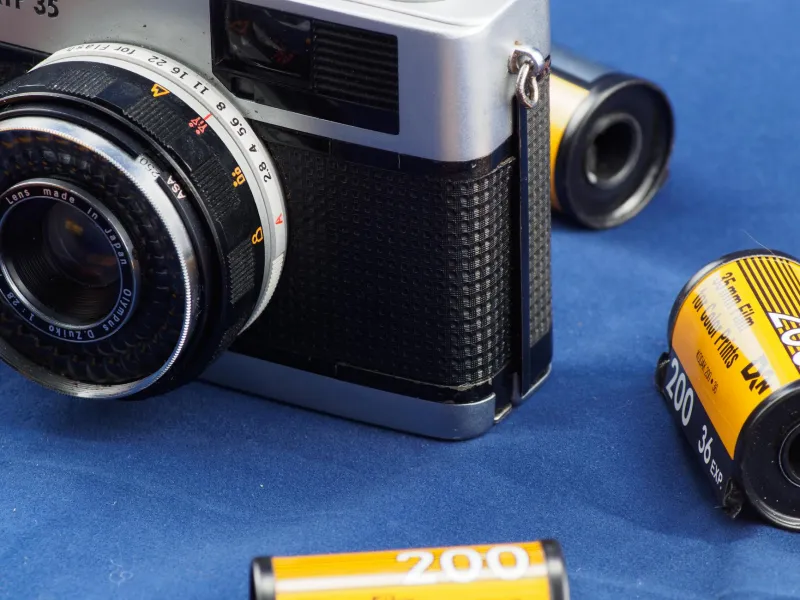
This was the reality of film photography, when every picture carried weight because every picture cost money, and every picture was a mystery until you got that little yellow envelope back from the drugstore.
The Economics of Memory
In the film era, photography had real stakes. A roll of 35mm film cost about $4 in 1990 — roughly $8 in today's money. Processing another $6 to $10. That single roll of 24 or 36 exposures represented a genuine investment, especially for families on tight budgets.
This economic reality shaped behavior in ways we've completely forgotten. Parents would ration shots at birthday parties. "Wait, wait — let me get everyone together for ONE picture." Kids learned to hold their smiles longer, to wait for the photographer to get the shot right, because there might not be a second chance.
Compare that to today, when the average smartphone user takes over 20 photos per day. We've moved from scarcity to abundance so completely that most people have thousands of unviewed photos sitting in their camera rolls.
The Ritual of Anticipation
Dropping off film created a unique form of delayed gratification that no longer exists. You'd hand over that little plastic canister to the teenager behind the counter at Walgreens or the local camera shop, get a receipt with a date and time, and then... wait.
That waiting period was filled with a mixture of excitement and dread. Did the flash work at the indoor shots? Was that sunset as spectacular as it seemed? Did Uncle Bob blink in the family reunion photo — the one photo where everyone was actually looking at the camera?
The pickup day carried genuine drama. Opening that envelope was like unwrapping presents. Sometimes you'd get lucky — a candid shot that captured something magical you didn't even remember taking. Other times, you'd flip through print after print of blurry, poorly lit disappointments.
The Lost Art of Composition
When every shot mattered, people thought differently about framing. You'd spend time composing the image, checking the background, making sure everyone was ready. The phrase "say cheese" existed because photographers needed everyone to hold still and smile long enough for a deliberate, careful shot.
This constraint created its own aesthetic. Film photography had a formality to it — even casual snapshots required intention. You can see it in family albums from the '70s and '80s. People are posed, ready, present in the moment because they knew this was their one chance.
Today's photography is more spontaneous, but it's also more careless. We take dozens of photos hoping one will work out, rather than taking time to make one photo work.
What We Gained and Lost
The shift to digital photography brought obvious benefits. No more missed moments because you ran out of film. No more wondering if the shot worked. No more paying $15 to develop a roll of photos that were mostly duds.
But we lost something too: the heightened awareness that comes with limitations. When you only had 24 shots to document an entire vacation, you became more selective about what moments deserved preservation. Those moments felt more significant because capturing them required commitment.
We also lost the communal experience of photo development. Families would gather around the kitchen table to go through new prints together, sharing reactions to forgotten moments, laughing at unexpected expressions caught on film. Photos had physical presence — they were objects you could hold, pass around, stick on refrigerators, and lose in couch cushions.
The Paradox of Perfect Memory
Today, we can document everything perfectly and instantly. We have unlimited shots, immediate feedback, and the ability to delete mistakes on the spot. Yet somehow, many people feel like they have fewer meaningful photos than their parents did.
Maybe it's because when everything can be captured, nothing feels special enough to capture. Or maybe it's because the anticipation — that week of wondering whether you got the shot — was actually part of what made those photos precious.
The last generation to wait for their pictures understood something we've forgotten: sometimes the not knowing is what makes the knowing worthwhile. In our rush to eliminate uncertainty from photography, we may have eliminated the magic too.
Every click of a film camera was a small act of faith. Every pickup day was a small Christmas morning. We gained convenience, but we lost the gambling thrill of never quite knowing what memories we'd successfully caught until it was too late to catch them again.