When a Simple Test Meant Weeks of Wondering: The End of Medicine's Guessing Game
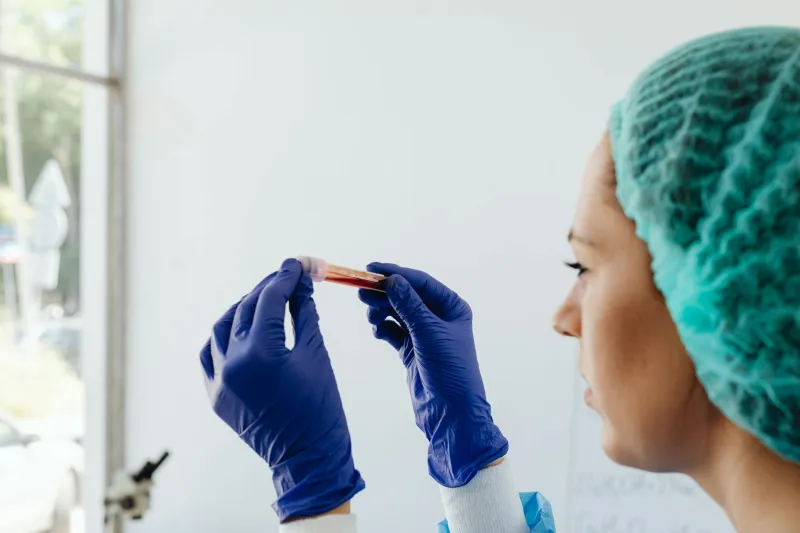
The Long Wait for Answers
Walk into any urgent care clinic today with chest pain, and within an hour you'll know if you're having a heart attack. A simple blood test called a troponin level can detect heart muscle damage with stunning precision, giving doctors—and you—immediate clarity about what's happening inside your chest.
But rewind to 1955, and that same chest pain would have launched you into weeks of medical uncertainty. Doctors relied on crude electrocardiograms that often missed heart attacks entirely, especially in their early stages. Blood tests existed, but they were slow, unreliable, and could only detect damage after significant harm had already occurred. Many patients went home with nothing more than "keep an eye on it" and a prayer that their symptoms would either improve or become dramatic enough to warrant emergency intervention.
This wasn't just inconvenient—it was terrifying. Imagine living for weeks not knowing whether that persistent cough was a cold or tuberculosis, whether your fatigue was from poor sleep or diabetes, whether that lump was benign or cancerous. For most of the 20th century, this uncertainty defined the American medical experience.
When Diabetes Hid in Plain Sight
Consider diabetes, a condition that now takes seconds to diagnose with a simple glucose meter. In the 1960s, detecting diabetes was an elaborate guessing game. Doctors relied primarily on urine tests that could only detect sugar after blood glucose levels had been dangerously high for extended periods. The process was both crude and delayed—by the time sugar appeared in your urine, you'd already been diabetic for months or even years.
Many Americans walked around with undiagnosed diabetes for decades, slowly developing complications like kidney damage, nerve problems, and vision loss. The disease earned its reputation as a "silent killer" not because it was inherently stealthy, but because medicine lacked the tools to catch it early.
Today's hemoglobin A1C test can reveal your average blood sugar levels over the past three months with a single blood draw. What once required multiple doctor visits, uncomfortable procedures, and weeks of waiting now happens during a routine physical exam. The test is so reliable that many people learn they're pre-diabetic before they develop any symptoms at all.
The TB Gamble
Tuberculosis offers perhaps the starkest example of how diagnostic uncertainty shaped American lives. In the 1940s and 1950s, TB was still a major public health threat, but detecting it required a combination of chest X-rays, skin tests, and often invasive procedures like bronchoscopies. Even then, doctors frequently couldn't distinguish between active, contagious TB and old, inactive scars from previous exposure.
This uncertainty had profound social consequences. People with suspicious symptoms might be quarantined for weeks while doctors tried to determine if they were actually contagious. Families were separated, jobs were lost, and communities lived in fear of outbreaks they couldn't quickly identify or contain.
Modern molecular testing can now identify TB bacteria within hours, not weeks. More importantly, these tests can distinguish between different strains of TB and even predict which antibiotics will be most effective. What once required isolation and guesswork now allows for precise, targeted treatment while patients continue their normal lives.
The Cancer Conversation That Changed Everything
Perhaps nowhere was diagnostic uncertainty more agonizing than with cancer. Before the development of modern imaging and biomarker testing, cancer diagnosis was largely a process of elimination that often came too late to matter. Doctors might suspect cancer based on symptoms, but confirming it required invasive surgeries that were both diagnostic and therapeutic—they had to cut you open to find out what was wrong.
The psychological toll was immense. Patients lived in limbo for weeks or months, not knowing whether they had cancer, what kind it might be, or whether it had spread. Treatment decisions were made with incomplete information, and prognosis was often little more than an educated guess.
Today's liquid biopsies can detect circulating tumor DNA from a simple blood draw, sometimes identifying cancer before any symptoms appear. Genetic testing can predict which treatments will work best for individual patients, transforming cancer from a mysterious death sentence into a manageable condition with personalized treatment plans.
Speed Changed Everything
The transformation of medical testing wasn't just about accuracy—it was about speed. When test results took weeks to return, the entire rhythm of medical care was different. Doctors made treatment decisions based on limited information and clinical intuition. Patients lived in extended states of anxiety, not knowing whether their symptoms indicated something serious.
This uncertainty created a different relationship between Americans and their own health. People were more likely to ignore symptoms because getting answers was such an ordeal. They lived with chronic conditions longer before seeking help, often presenting to doctors only when their diseases had progressed significantly.
The New Normal
Today's instant access to diagnostic information has fundamentally changed how we think about our bodies. We expect immediate answers and become anxious when they're not available. The same technology that eliminated weeks of medical uncertainty has created new expectations for constant monitoring and immediate feedback about our health status.
We carry devices that continuously track our heart rate, sleep patterns, and activity levels. We can test our blood sugar, check our blood pressure, and even analyze our genetic predisposition to various diseases from the comfort of our homes. What once required a doctor's visit and weeks of waiting now happens automatically in the background of our daily lives.
The shift from diagnostic uncertainty to instant answers represents one of medicine's greatest achievements. It's also changed the fundamental experience of being human in ways we're still learning to understand.