The 15-Cent Lunch That Built America: How Drugstore Counters Fed a Nation's Workers
The 15-Cent Lunch That Built America: How Drugstore Counters Fed a Nation's Workers
At 12:15 PM sharp, the lunch rush would begin at Murphy's Pharmacy on State Street. Factory workers, office clerks, shop girls, and traveling salesmen would crowd around the long marble counter, sliding onto red vinyl stools worn smooth by decades of daily use. Behind the counter, Grace Murphy would work her magic on a small grill, turning out hot sandwiches, soup, and coffee that kept America's working class fed and fueled.
 Photo: Grace Murphy, via static-prod.adweek.com
 Photo: State Street, via seeklogo.com
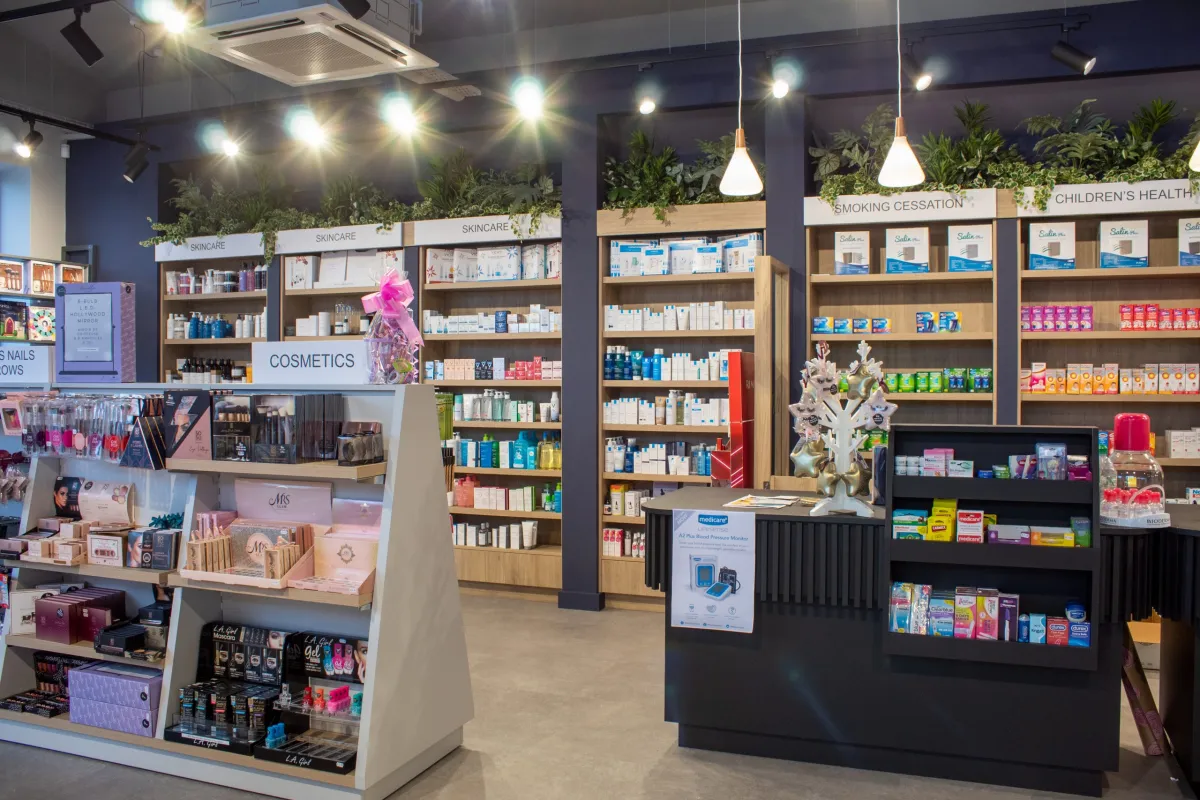 Photo: Murphy's Pharmacy, via pridecraft.ie
This wasn't fast food—it was something entirely different. The drugstore lunch counter was America's original third place, a democratic space where a 15-cent grilled cheese sandwich came with a side of community that money couldn't buy anywhere else.
The Unlikely Marriage of Medicine and Meals
The pairing of prescriptions and pork chops might seem odd today, but it made perfect sense in mid-century America. Drugstores were already the neighborhood's gathering place, the one business that every community needed and trusted. Adding a lunch counter was a natural extension, providing a service that working people desperately needed: affordable, hot meals in the middle of busy days.
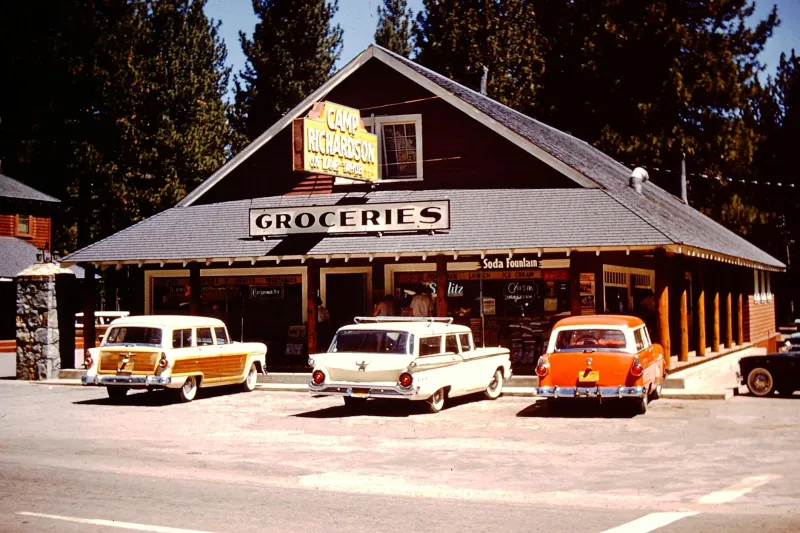
By 1950, nearly every American drugstore had some version of a lunch counter. The larger ones featured full soda fountains with elaborate chrome fixtures and marble tops. Smaller operations made do with a few stools and a griddle behind the prescription counter. But they all served the same essential function: feeding people who couldn't afford restaurant prices or the time for a leisurely meal.
Grace Murphy's counter could seat twenty-two people, and she knew them all by name. There was Frank from the hardware store, who always ordered the meatloaf special on Wednesdays. Mary from the telephone company, who preferred her coffee black and her grilled cheese cut diagonally. Mr. Peterson, the insurance man, who treated himself to a milkshake every Friday to celebrate making it through another week.
The Economics of Everyday Eating
The prices were deliberately kept low—not just affordable, but genuinely cheap. A complete lunch of soup, sandwich, and coffee cost less than fifty cents in 1955, roughly equivalent to fifteen dollars today. But the real value wasn't just in the price; it was in the consistency and reliability.
Working people knew they could walk into any drugstore lunch counter in America and find familiar food at predictable prices. The menu rarely changed: grilled cheese, ham and egg sandwiches, hamburgers, hot dogs, soup of the day, coffee, and ice cream. This standardization wasn't corporate planning—it was organic, arising from shared understanding of what working people needed and could afford.
The lunch counter also solved a practical problem that modern workers rarely consider: where to eat when you only had thirty minutes and limited money. Restaurants were too expensive and formal for daily use. Brown bagging required planning and preparation that many workers, especially single men and women, couldn't manage. The lunch counter filled this gap perfectly, providing hot, fresh food that could be ordered, prepared, and consumed in the time it took for a quick break.
The Social Architecture of Shared Meals
The physical design of the lunch counter created something remarkable: forced community. Unlike restaurant tables that separated diners into private groups, the counter brought strangers together in a long row, making conversation almost inevitable. The person next to you might be a bank teller or a truck driver, a secretary or a shop owner—social mixing that rarely happened anywhere else in rigidly stratified mid-century America.
Grace Murphy understood this social dynamic and actively cultivated it. She'd introduce new customers to regulars, remember personal details that she'd weave into conversations, and moderate discussions that might get too heated. The lunch counter became an informal community center where news was shared, gossip exchanged, and friendships formed across class and occupational lines.
During the lunch rush, the counter created a temporary democracy of hunger. The bank president and the factory worker sat on identical stools, ordered from the same menu, and paid the same prices. For thirty minutes, social hierarchies flattened into the shared experience of eating together.
The Rhythm of Working Life
The lunch counter imposed its own rhythm on the workday. Most locations served breakfast starting at 7 AM for early shift workers, hit peak volume during the noon rush, and offered a quieter afternoon crowd of coffee drinkers and pie eaters. This rhythm synchronized with the industrial workday, providing fuel for America's growing workforce.
Regulars developed their own patterns and preferences. Some came early to avoid crowds and get first choice of the daily specials. Others preferred the busy lunch rush energy. A few made the counter their unofficial office, conducting business over coffee and pie in the slow afternoon hours.
The predictability was part of the appeal. In an era of rapid social and economic change, the lunch counter provided stability—the same stool, the same menu, the same friendly face behind the counter, day after day, year after year.
The Beginning of the End
The decline began in the 1960s as American eating habits shifted. Fast food chains offered speed and convenience that challenged the lunch counter's value proposition. Shopping malls drew customers away from downtown drugstores. Suburbs spread workers across wider areas, making the neighborhood lunch counter less convenient.
More fundamentally, the social changes that created the lunch counter's community also undermined it. As more women entered the workforce, family meal patterns changed. As car ownership increased, workers could drive to restaurants instead of walking to the corner drugstore. As prosperity grew, the 15-cent lunch seemed less like a bargain and more like a relic.
By 1980, most drugstore lunch counters had closed. The few that survived became nostalgic curiosities rather than essential community infrastructure. Chain drugstores that replaced independent pharmacies saw no profit in maintaining lunch counters that required skilled cooks and personal service.
What We Lost When We Stopped Eating Together
Today's worker has dozens of lunch options that the drugstore counter customer could never have imagined. Food trucks, fast-casual chains, delivery apps, and meal kits provide variety, convenience, and customization that Grace Murphy's simple menu couldn't match.
But something essential was lost in the transition. The modern food landscape optimizes for individual preferences and efficiency, not for community building or social connection. We can get exactly what we want, delivered exactly when we want it, without ever sitting next to a stranger or making small talk with someone who remembers how we like our coffee.
The lunch counter's greatest achievement wasn't culinary—it was social. For generations, it provided a daily ritual of shared meals that connected working people across the divides of class, occupation, and background. The 15-cent grilled cheese sandwich came with something priceless: the experience of belonging to a community that gathered every day around the simple act of eating together.
In our quest for convenience and choice, we've gained remarkable food options but lost the social architecture that made mealtime a community experience. The lunch counter didn't just feed America's workers—it reminded them daily that they weren't eating alone.