Your Milkman Was America's First Algorithm: The Delivery Workers Who Predicted Your Life
Your Milkman Was America's First Algorithm: The Delivery Workers Who Predicted Your Life
Every Tuesday morning at 6:30 AM, Charlie Brennan would notice the extra pint of cream sitting untouched on the Hendersons' front step. By Thursday, when Mrs. Henderson started leaving notes asking for lighter deliveries, Charlie had already figured it out. After twelve years on the same route, he could read the signs: someone in the Henderson house was expecting, and morning sickness had arrived right on schedule.
 Photo: Charlie Brennan, via sites.wustl.edu
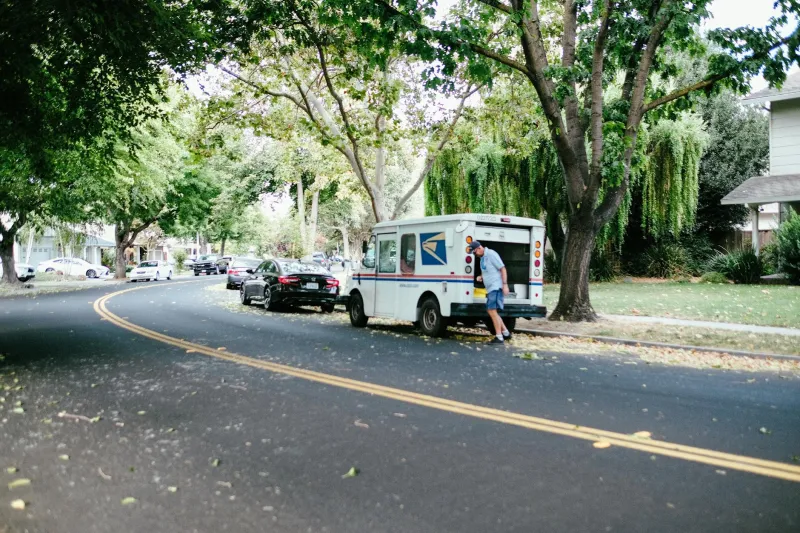
Charlie didn't need data analytics or purchase history algorithms. He had something more powerful: human observation sharpened by years of watching the same families grow, change, and navigate life's predictable rhythms. America's army of delivery workers—milkmen, breadmen, icemen, and grocery drivers—were the original behavioral prediction engines, quietly collecting insights that no modern app could match.
The Daily Intelligence Gathering
Charlie's route covered 200 households across six neighborhoods, and he knew them all intimately. Not because he was nosy, but because successful delivery required understanding each family's patterns, preferences, and unspoken needs.
He knew the Kowalskis always needed extra milk on Sundays because the grandparents visited after church. He automatically increased the O'Brien family's order every September when school started and their teenage boys hit growth spurts. When old Mr. Peterson stopped taking his usual quart of buttermilk, Charlie didn't wait for instructions—he knocked on the door to check if everything was alright.
This wasn't just customer service; it was community surveillance in the most benevolent sense. Delivery workers became the early warning system for neighborhood changes, family crises, and life transitions that families hadn't yet announced to the world.
The Art of Reading Between the Lines
The clues were everywhere if you knew how to look. A sudden switch from whole milk to skim meant someone was watching their weight—often the husband after a doctor's visit. Empty bottles left out for weeks signaled a family vacation or, more seriously, a medical emergency that had sent someone to the hospital.
Betty Sullivan, who drove the Wonder Bread truck through suburban Detroit in the 1960s, could predict divorce before the couples knew it themselves. "When the wife stops buying the husband's favorite rye bread and switches to white sandwich loaves for the kids, you know things are changing," she'd later recall. "The fancy dinner rolls disappear first, then the breakfast pastries. By the time they're down to basic white bread, the marriage is usually over."
 Photo: Betty Sullivan, via cache.legacy.net
These workers developed an almost supernatural ability to anticipate needs. They'd increase milk deliveries the week before a child's birthday party, knowing that extra cookies and cake would require more beverages. They'd add orange juice to orders when they noticed prescription bottles on the counter, understanding that vitamin C helped with recovery.
The Personal Touch That Built Loyalty
The relationship went deeper than mere observation. Delivery workers became confidants, advisors, and sometimes the only adult contact that isolated housewives had during long weekdays. Mrs. Patterson would time her morning routine to coincide with Charlie's arrival, chatting about her children's progress in school while he restocked her milk box.
When the Patterson family faced financial troubles in 1962, Charlie didn't cut off their credit or report them to his supervisor. Instead, he quietly reduced their deliveries to what they could afford and occasionally "forgot" to charge for items he knew the children needed. The company never questioned his bookkeeping, trusting his judgment about customer relationships that stretched back years.
This personal investment created loyalty that modern businesses can only dream about. Families stayed with the same milkman for decades, even when supermarkets offered lower prices and more convenience. The relationship was worth the premium.
When Algorithms Replaced Intuition
The end came gradually, then all at once. Supermarkets expanded their dairy sections in the 1970s, offering one-stop shopping that made daily deliveries seem quaint and expensive. Refrigerators grew larger, allowing families to stock up weekly instead of relying on daily deliveries. Women entered the workforce in greater numbers, making scheduled deliveries less convenient than quick grocery runs.
By the 1980s, most home delivery routes had vanished, taking with them a form of customer intelligence that seemed irreplaceable. The intimate knowledge that Charlie Brennan had accumulated over twelve years of watching the same families was lost overnight.
The Digital Echo of Human Observation
Today, Amazon's algorithms can predict that you're pregnant based on your purchase history, often before you've told anyone. Netflix knows your viewing preferences better than your spouse. Grocery apps track your buying patterns and suggest items before you realize you need them.
The predictions are often eerily accurate, powered by data points that dwarf anything Charlie Brennan could have collected. But they lack the human context that made the old system work. When Amazon's algorithm suggests diapers, it's based on statistical probability. When Charlie increased the Hendersons' milk order, it was because he cared about their growing family and wanted to help.
What We Lost in Translation
The efficiency gains are undeniable. Modern supply chains deliver thousands of products to millions of customers with minimal human intervention. But something essential was lost when we replaced human observation with data collection.
Charlie Brennan didn't just predict the Hendersons' needs—he celebrated their milestones, worried about their struggles, and invested in their success. His intelligence gathering came with emotional investment and community connection that no algorithm can replicate.
When Mrs. Henderson finally announced her pregnancy at the church social, Charlie was already there with congratulations and a smile. He'd known for weeks, but he'd waited for her to share the news in her own time. That kind of discretion, patience, and genuine care was built into a system that valued relationships over efficiency.
The Algorithm That Cared
In our rush to digitize and optimize, we've created prediction engines that know our habits but not our hopes, our patterns but not our personalities. The milkman's morning route has been replaced by overnight delivery and subscription services that anticipate our needs with mathematical precision but human indifference.
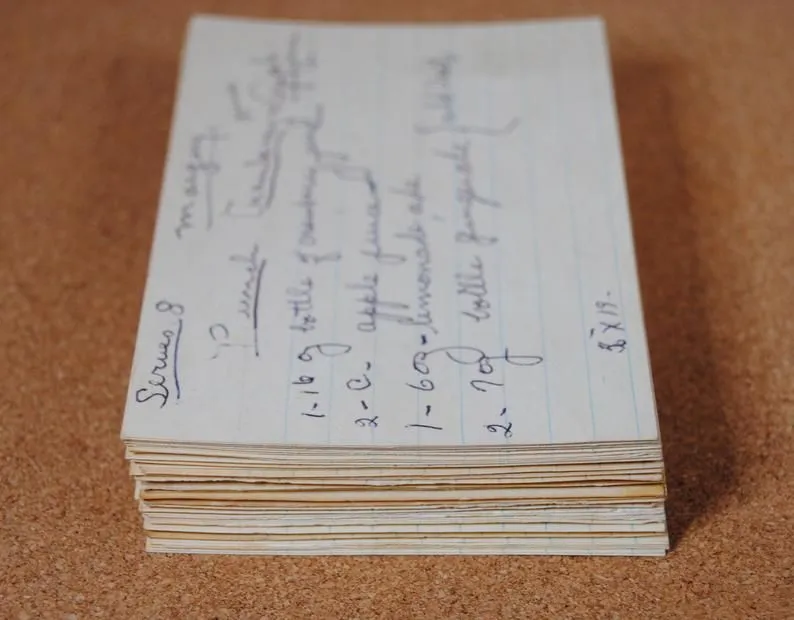
Charlie Brennan retired in 1978, ending a career that spanned the golden age of home delivery. His route book, filled with handwritten notes about family preferences and personal details, was thrown away when the dairy closed. No algorithm inherited his insights about the Henderson family or the Kowalskis or the dozens of other households he'd served faithfully for decades.
The data died with the relationships. And perhaps that was the most human thing about the old system—the knowledge was inseparable from the caring, the prediction inseparable from the person who had invested years in understanding not just what you needed, but who you were.